







Bangkok Hosts IMF and World Bank Meetings With Investment in Focus
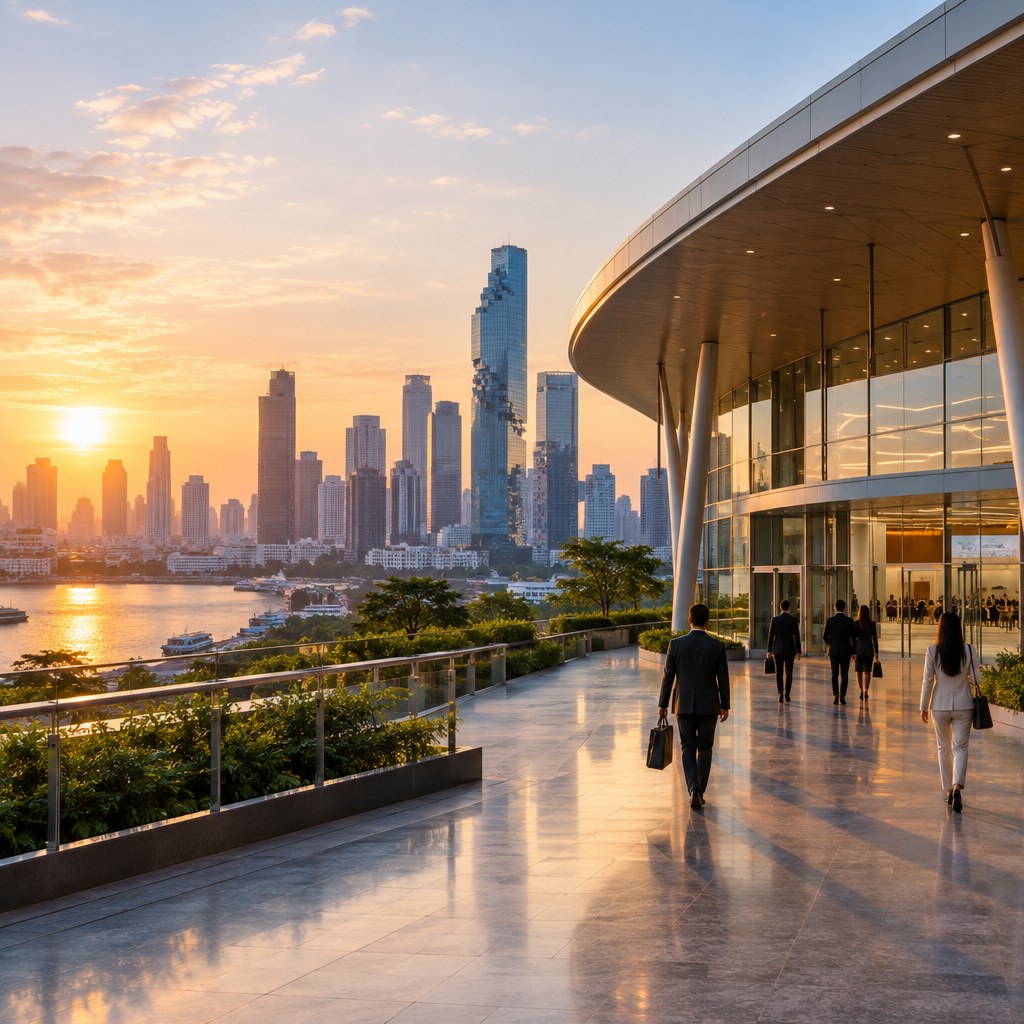
Bangkok is hosting the 2026 International Monetary Fund and World Bank Annual Meetings from 12 to 18 October, bringing finance ministers, central bankers, development leaders, investors and business figures to Thailand at a time when capital formation and growth are high on the regional agenda.
For Thailand, the meetings put the country at the centre of a global conversation about how emerging economies can attract investment, expand quality jobs and use new technology productively. For businesses across Southeast Asia, the value is less about a single announcement and more about the access to policy discussions, investor networks and regional ideas that gather in one place.
A global forum arrives in Bangkok
The Annual Meetings are the IMF and World Bank Group’s principal yearly forum. They convene governments, financial institutions, private-sector participants, civil-society groups and researchers around the outlook for the global economy and development finance.
The World Bank says this year’s programme includes discussion of mobilising private capital, creating jobs, improving small and medium-sized enterprise financing and managing the impact of artificial intelligence. Those subjects are especially relevant in Southeast Asia, where companies and policymakers are balancing infrastructure needs, productivity targets and a competitive race for investment.
Why it matters for Thai business
Hosting the meetings gives Thailand an opportunity to showcase Bangkok as a practical venue for international finance and policy dialogue. It also gives Thai firms, banks and service providers a period of heightened visibility among visiting investors and institutions.
That does not automatically translate into new projects or financing commitments. It does, however, create a useful window for businesses that are already prepared with credible proposals, clear governance and partners that understand local markets.
For sectors linked to logistics, renewable energy, digital services, financial technology and small-business finance, the conversation around private capital can be particularly relevant. Investors generally look for stable rules, viable project economics and a route from policy ambition to execution.
Regional implications
Thailand’s role this week also reflects a wider Southeast Asian ambition to remain attractive as supply chains, technology investment and climate finance are reshaped. The region offers large consumer markets and varied growth stories, but countries are competing for capital with one another as well as with markets beyond Asia.
The focus on jobs and SME financing matters because smaller businesses make up a large share of economic activity across the region. Better access to finance, digital tools and reliable infrastructure can help those firms participate in cross-border growth rather than remain tied to domestic demand alone.
What to watch
Business leaders should watch for signals on how multilateral institutions, governments and private investors intend to work together on financing. The most useful outcomes may be practical: clearer pathways for project preparation, improved risk-sharing arrangements and stronger support for companies that can create jobs.
Bangkok’s hosting role is therefore a reminder that regional economic influence is built not only through headline investment announcements, but also through the ability to bring decision-makers together and turn policy discussions into investable opportunities.