









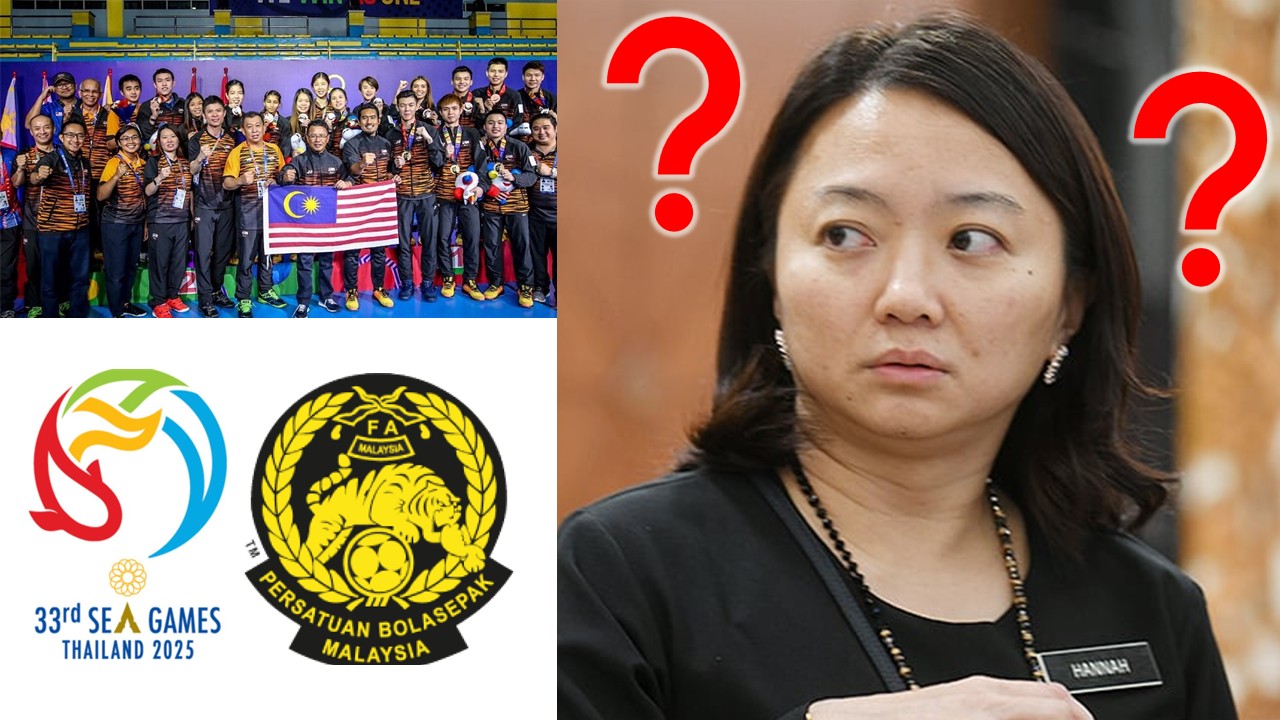
Malaysia’s massively dismal SEA Games performance shows a struggling nation
The 2025 SEA Games in Thailand are proving to be another wake-up call for Malaysian sports. Halfway through the Games, the national contingent is outside the top five in the medal standings. A handful of gold medals in gymnastics, hockey, and a few individual events provide some hope, but the reality is clear. Malaysia is still far from reclaiming its former sporting glory. The ambitious 200-medal target set by the sports ministry now seems like a distant dream.
A Decade of “Almost”
This underperformance is not new. Over the last decade, Malaysia has struggled to maintain its competitive edge in the region. The peak of Malaysian SEA Games performance came under Najib Razak’s prime ministership, with the 2017 Kuala Lumpur Games producing a historic high of 145 golds and first place overall. Since then, cracks have appeared. In 2019 in the Philippines, the contingent managed only 55 golds, finishing fifth. The 2021 SEA Games in Vietnam were even worse, producing 39 golds and a sixth-place finish. Each edition has seen Malaysia slipping further behind, while regional rivals like Thailand, Vietnam, and Indonesia continue to improve.
The 2023 SEA Games Failure Nobody Wants to Admit
The 2023 SEA Games in Cambodia was a historic low. Malaysia managed just 34 gold medals and finished seventh, marking the worst performance in four decades. For nearly 40 years, the nation had remained among the top five in the region. Now the numbers tell a story of decline, exposing weaknesses in talent development, preparation, and management.
Then and Now: Ministers Who Stayed or Went
Leadership continuity at the ministry level is a striking contrast to history. In 1983, Datuk Mokhtar Hashim was removed as Minister of Culture, Youth and Sports, reflecting the pressures and accountability of the time. Today, Hannah Yeoh has held the position since December 2022. Continuity is meant to bring stability, yet critics argue that her tenure so far has produced little tangible improvement. The minister is facing growing scrutiny for failing to turn around Malaysia’s declining performance.
The FAM Saga: Drama Without Consequences
The recent Football Association of Malaysia scandal highlights this problem. FIFA confirmed falsified eligibility documents for heritage players, triggering public outrage. While Hannah Yeoh recently suspended funding, critics say she has not done enough to hold FAM leadership accountable. The FAM president remains in place, leaving fans and observers frustrated. Similar criticisms apply to other areas of Malaysian sports, where promised reforms appear slow, and structural issues remain unaddressed.
Caught Between a Rock and a Hard Place
The minister’s cautious approach may be understandable. Directly sacking FAM officials could risk FIFA sanctions and prevent the national team from competing internationally. The legal framework limits the minister’s power, yet this technicality does not satisfy public expectations. Meanwhile, Prime Minister Anwar Ibrahim is constrained politically. Removing Hannah Yeoh could upset coalition dynamics since he relies on DAP support, leaving both the minister and the prime minister caught in a bind. This raises a central question: can Malaysian sports reform move forward if both legal and political constraints tie the hands of those responsible?
A Talent Problem or a Leadership Problem?
The story of Malaysian sports is now more about politics and structure than about athletes on the field. The 2025 SEA Games are a reminder that talent alone cannot carry the nation. Governance failures, legal restrictions, and political compromises have left the system unable to respond decisively. While individual athletes continue to perform admirably, the broader results show a country struggling to maintain its past dominance.
Who Will Clean House?
Malaysia’s fans are left to wonder if improvement is even possible under the current system. The Games are not just a measure of skill and training, but also a reflection of leadership, planning, and accountability. If the nation cannot address these issues, the medal tally will remain disappointing, scandals will persist, and the question of who is responsible will linger.
The 2025 SEA Games reveal a clear truth. Malaysia is no longer a regional powerhouse. The results are a symptom of deeper structural problems, and the minister and prime minister are caught in a web of constraints. Until meaningful reforms are made, the country may continue to struggle both on the medal table and in the court of public opinion. Can Hannah Yeoh act decisively when her hands are tied? Can Anwar intervene when political support limits his options? The answers remain uncertain, but Malaysian sports cannot afford another decade of decline.