






Rain Rave 2026: From Mega Hype to Big Controversy in Malaysia’s Tourism Scene
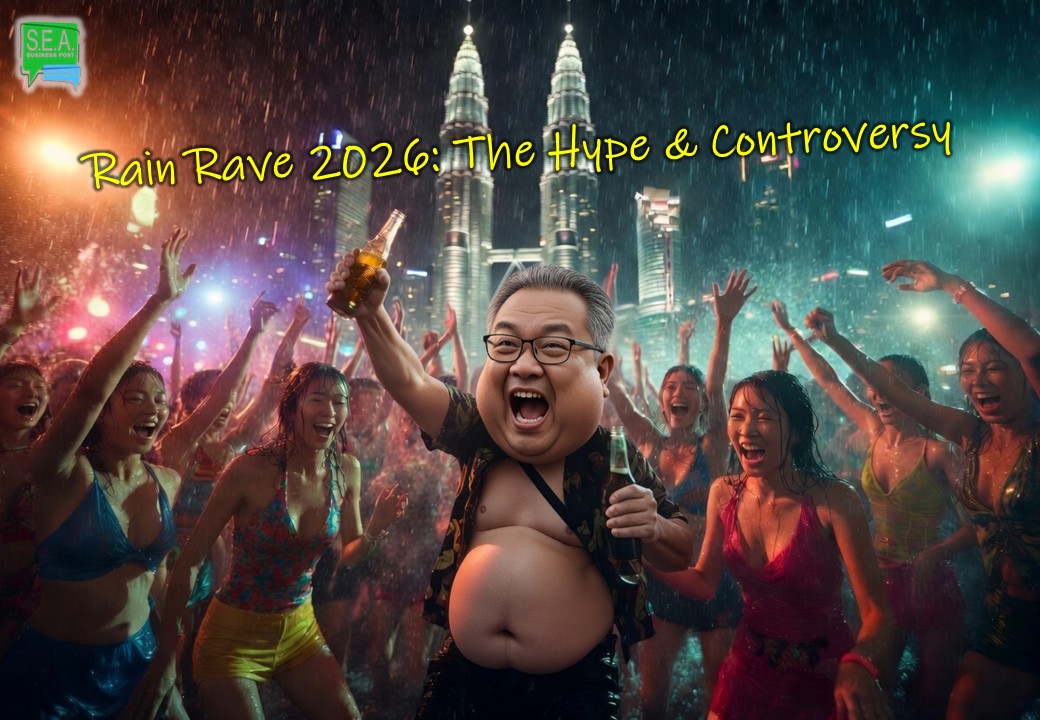
The Rain Rave Water Music Festival 2026 in Kuala Lumpur’s Bukit Bintang district was meant to be a bold statement for Malaysia’s tourism ambitions, but instead it has become a story of hype, controversy, and political missteps.
Inflated Numbers Stir Debate
Early reports from Focus Malaysia cited a self-styled Chinese leadership site, Top Leader 领袖, claiming that the three-day festival drew 80,000 participants and generated over RM200 million in economic impact. The figures suggested massive spending by local and international visitors, hotels nationwide, airlines, and small businesses. The problem is that Top Leader has no recognized academic credentials, no formal expertise in economics, and no institutional authority. It is essentially a pundit-style platform offering commentary, not research. It is sad that a Malaysian news publication would rely on “facts and figures” from such a source, a practice reminiscent of Fox News-style opinion journalism rather than credible, evidence-based reporting.
Thus why experts and observers quickly raised red flags. The festival was a free-entry event, confirmed by sources including Karyawan and Malay Mail, making claims of direct revenue from ticketing impossible. Reports also attributed high occupancy across 79 hotels nationwide to an event held only in Bukit Bintang. Many of these hotel bookings were likely due to the long Labour Day weekend, not the festival. In addition, the event involved substantial government spending on production, artists, security, and logistics. Ignoring these costs gave a misleading impression of net gain. Analysts estimate that Rain Rave may have generated between RM20 million and RM50 million, but the true impact can only be determined once the government’s actual expenditure is accounted for.
Rain Rave and the Real Songkran
Rain Rave has been promoted as Malaysia’s modern, urban take on Thailand’s Songkran festival, complete with music, water fights, and commercial entertainment. When critics emerged, Tourism, Arts and Culture Minister Datuk Seri Tiong King Sing defended the festival by pointing to Songkran celebrations in Kedah.
This defense, however, misses the mark. Kedah’s Songkran is a traditional cultural festival organized by the local Siamese-Malaysian community in Wat temple compounds, focusing on religious rituals, community gatherings, and cultural heritage. Using it to defend a modern urban festival ignores the authentic organizers and their contribution to Malaysia’s tourism and cultural landscape. A better approach would have been to promote Kedah’s Songkran alongside Rain Rave, highlighting Malaysia’s diverse tourism offerings that balance culture and contemporary entertainment.
Controversy Surrounding the Minister
The Tourism Minister has faced previous controversies that have fueled public skepticism about his judgment. Reports suggest that he bypassed standard airport protocols to assist a young female visitor from China who claimed harassment by immigration and police. Critics argued that this displayed poor judgment and disregard for established procedures. Recently, Prime Minister Anwar Ibrahim warned him about alcohol being served at a gala dinner hosted by his ministry. These incidents combined with his defense of Rain Rave, have intensified scrutiny over his role and statements in the tourism sector.
Lessons for Malaysia’s Tourism Sector
Rain Rave 2026 demonstrates that Malaysia can stage high-profile urban festivals that draw significant attention, but misreporting, political spin, and lack of cultural sensitivity can quickly turn success into controversy. Accurate reporting and clear accounting of public spending are essential to understanding the festival’s real impact. Supporting authentic cultural events, like Kedah’s Songkran, alongside modern spectacles such as Rain Rave, could strengthen Malaysia’s tourism appeal.
It is worth noting that Malaysia’s highest tourism revenue in history was recorded in 2014 at approximately USD 24.5 billion, while in 2025 the sector generated around USD 12.5 billion in net inflows, highlighting that even with strong visitor numbers, careful planning and transparent economic management are crucial to maximize revenue. By balancing cultural authenticity, urban entertainment, and clear economic accounting, Malaysia can work toward its ambitious VMY 2026 targets of 47 million visitors and RM300 billion in revenue, while ensuring sustainable benefits for both local communities and national tourism credibility.