






Anwar Ibrahim’s Pay Cut Proposal: Lip Service or Genuine Gesture?
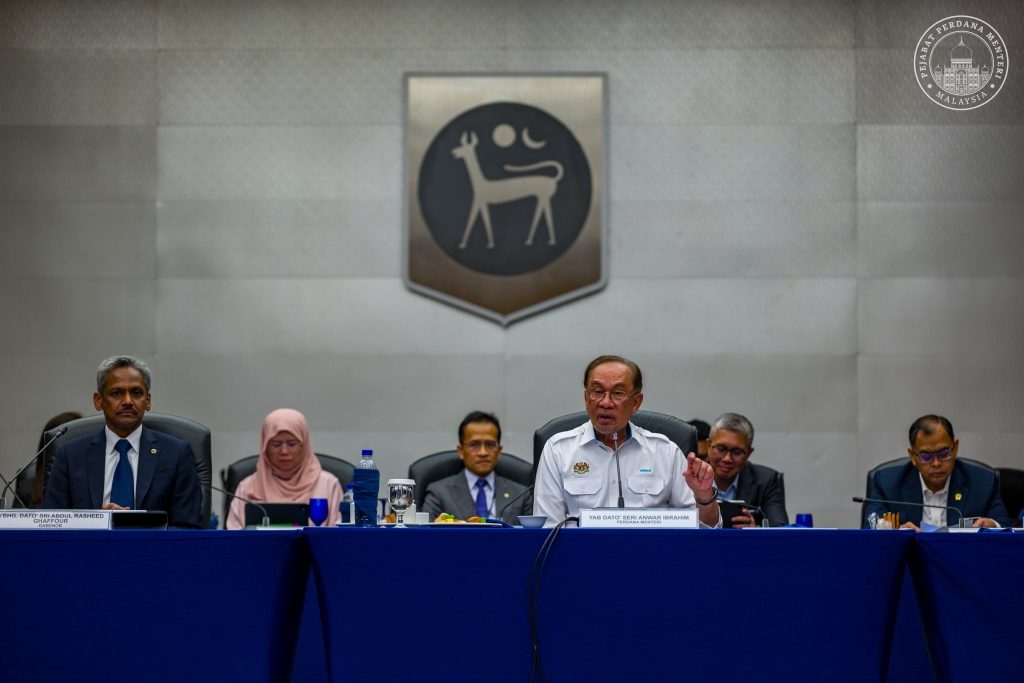
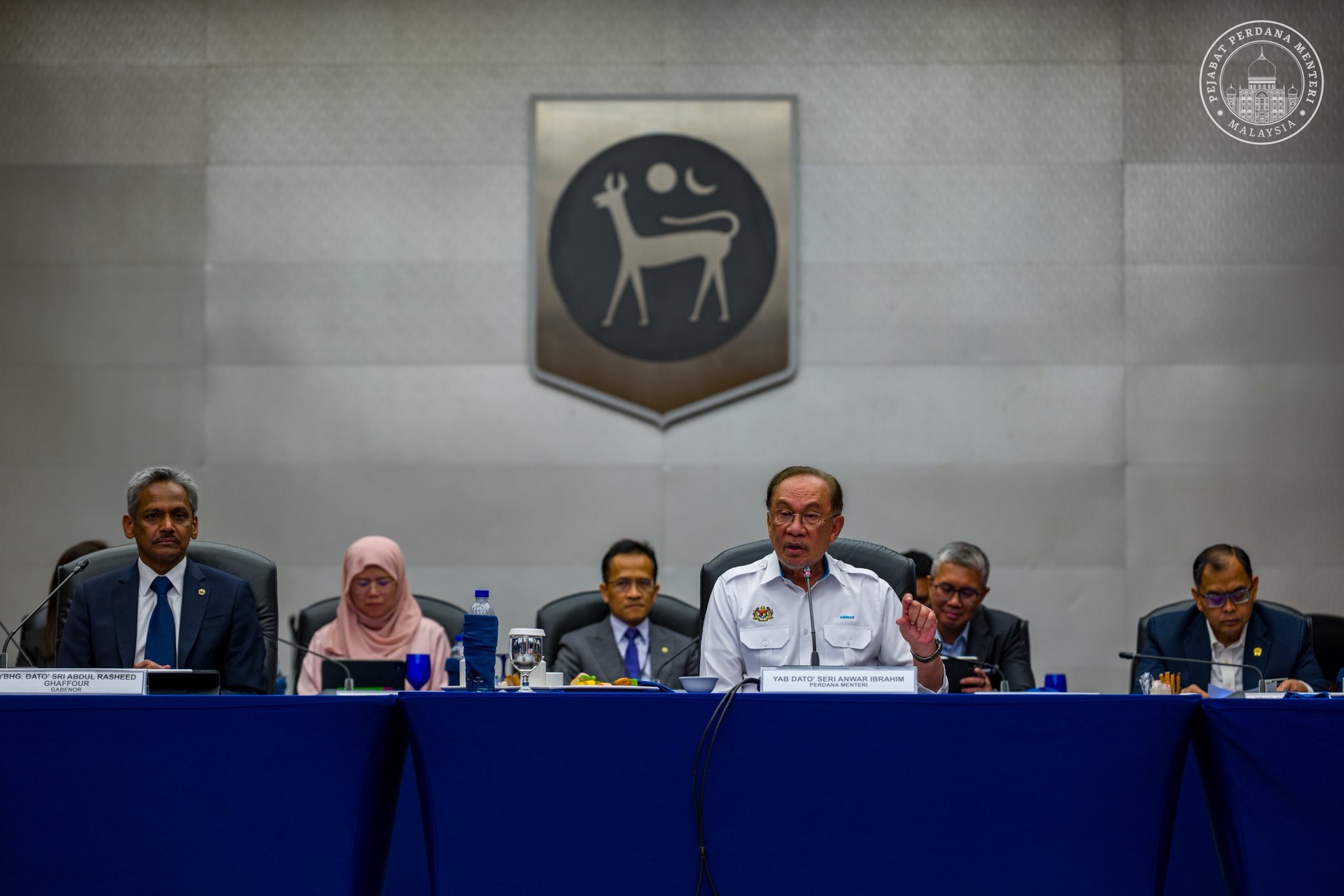
In a move that has stirred attention across Malaysia, Prime Minister Anwar Ibrahim recently announced that he and his Cabinet ministers will consider taking pay cuts if the national economy worsens. This statement comes as Malaysia navigates potential economic challenges due to global uncertainties, particularly stemming from geopolitical events and inflationary pressures. While the proposal may seem like a responsible and practical solution in the face of economic instability, some critics question the sincerity of this gesture, given Anwar’s history with similar promises in the past.
Anwar’s Past Pledge to Forfeit His Salary
Prime Minister Anwar Ibrahim has, in the past, made headlines with his public declarations about forgoing his salary. On more than one occasion, he has pledged that he would not accept the salary designated for the Prime Minister’s office, emphasizing his commitment to public service and the belief that the country’s leaders should set an example by tightening their belts in times of financial strain.
However, despite these bold statements, Anwar has continued to accept his salary, leading some to argue that his promises were more symbolic than practical. Critics point out that while his words were widely lauded, they did not translate into any real action, raising doubts about the validity of his latest announcement regarding pay cuts. This history of unfulfilled pledges has led to concerns that his recent comments on reducing ministers’ pay may, like previous promises, remain as empty words rather than being followed up with tangible changes.
Syed Saddiq’s Perspective on Salary vs Allowances
Syed Saddiq, a prominent opposition leader and former Youth and Sports Minister, has also weighed in on the issue of politicians’ earnings, specifically the distinction between salary and allowances. In a viral video, Syed Saddiq explained that while the base salary of the Prime Minister may appear modest compared to some state leaders, such as the Chief Minister of Sabah and many public officials, including the Prime Minister, are compensated through allowances that can far exceed their base salary.
Syed Saddiq’s commentary is important because it underscores the discrepancy between the official salary that is often reported and the full range of benefits and allowances that ministers enjoy. These allowances, which can include housing, transport, and other perks, are not always accounted for when salary comparisons are made, leading to a misleading perception of how much leaders truly earn. By focusing only on base salary, the public might overlook the larger compensation packages that include allowances, which can be more substantial than the salary itself.
A Pattern of Lip Service?
Anwar Ibrahim’s recent proposal that his government may take pay cuts if the economy deteriorates appears, at first glance, to be a responsible and forward-thinking move. It signals that the Prime Minister is willing to share the financial burden with the citizens, particularly if the economic outlook worsens. However, given his past unfulfilled promises to forgo his salary, the question arises as to whether this latest suggestion is a genuine step toward accountability or merely another symbolic gesture.
As Malaysia grapples with economic uncertainty, leadership must be more than just about gestures. Leaders should not only speak of actions but should follow through with decisions that have real consequences for the people they serve. If Anwar is serious about leading by example, he will need to do more than just talk about pay cuts. He will need to take concrete steps to implement them.
Ultimately, the Prime Minister’s credibility will be tested by whether his words translate into meaningful action. Malaysians are watching closely, and they will be looking for more than just promises that may go unfulfilled once again. If Anwar’s leadership is to be defined by a commitment to economic responsibility, it will require more than symbolic gestures. It will demand a willingness to make difficult decisions that affect not only his salary but that of the entire Cabinet.