




House Tri-Committee Prove Impressively That Pro-Duterte Influencers Are Not Paid to Post
The House Tri-Committee on Disinformation has been holding hearings to examine the influence of social media personalities on the spread of false or unverified claims online. Among the latest attendees was blogger Krizette Laureta Chu, a prominent supporter of former President Rodrigo Duterte, who has over 250,000 Facebook followers and whose posts often reach tens of thousands of viewers.
During her testimony on March 21, Chu stressed that she writes based on personal opinion and does not see herself as responsible for how her posts may influence others. “I do not feel any responsibility because my conscience is clear. It’s not phrased as news,” she told lawmakers. Chu also noted that she uses qualifiers like “daw,” a Filipino term signaling secondhand information, to maintain accuracy in her content. She defended her posts as expressions of public sentiment rather than claims presented as verified facts.
Focus on Influencers
The hearings have attracted attention because of the types of personalities called to testify. Several pro-Duterte bloggers, vloggers, and commentators were invited after skipping previous sessions or attempting to halt the inquiry through a Supreme Court petition. While these influencers are prominent due to their large online audiences, the focus on pro-Duterte figures has raised questions among observers.
The committee has emphasized that it is not solely focused on one political camp. Hearings have also included representatives from news organizations, fact-checking institutions, government agencies, and disinformation experts. These participants provide context and help establish broader patterns of online misinformation. Despite this, much of the scrutiny appears directed at pro-Duterte social media personalities, likely because their posts generate high engagement and have the potential to shape public perception in ways that are politically significant.
Examining Responsibility
Lawmakers questioned Chu about her posts regarding rumors of mass resignations in the Philippine National Police, which were later debunked. Chu maintained that her posts were meant to express support for the police and reflect public sentiment rather than mislead readers. She said she did not verify the information beforehand but noted that readers are capable of critically assessing her opinions.
The committee explored whether social media personalities like Chu recognize the potential consequences of spreading unverified claims. Legislators stressed that while opinion posts are permissible, repeated dissemination of false narratives can reinforce public misconceptions. They also compared social media influencers to broadcasters, who are held accountable under regulations set by the Kapisanan ng mga Brodkaster ng Pilipinas.
Goals of the House Tri-Committee Inquiry
The Tri-Committee’s broader mandate is to develop a code of ethics for online content creators, identify patterns of disinformation, and encourage self-regulation by social media platforms. By subpoenaing digital copies of posts and examining posting practices, the committee aims to create clearer standards for ethical online behavior.
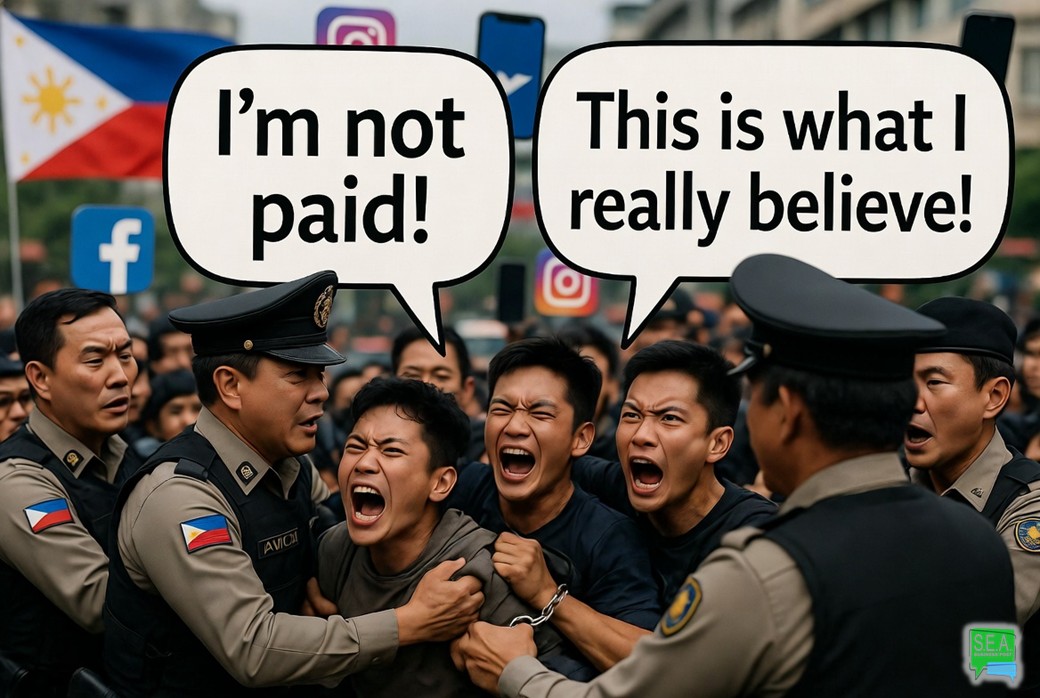
Despite public attention on pro-Duterte personalities, there is no evidence to suggest that Chu or other influencers called to testify were compensated by political campaigns to post content. The hearings instead highlight the committee’s interest in understanding the mechanisms behind viral content, the responsibility of content creators, and the role of social media in shaping public opinion.
Observations and Implications
While the committee has sought input from a variety of sources, including news institutions, government agencies, and fact-checkers, the emphasis on pro-Duterte influencers stands out. Their prominent online reach and previous avoidance of hearings have made them high-profile subjects for questioning. However, testimonies so far indicate that these influencers are sharing personal opinions and reflecting public sentiment rather than acting as paid agents of any political group.
The hearings underscore the ongoing challenge of balancing freedom of expression with accountability in the digital age. By examining both professional institutions and individual social media personalities, the Tri-Committee is seeking to establish clearer expectations for responsible online communication while addressing the spread of unverified claims that can influence public sentiment and national discourse.