







Indonesia’s Bold Bet: Turning Bali into a Global Financial Hub
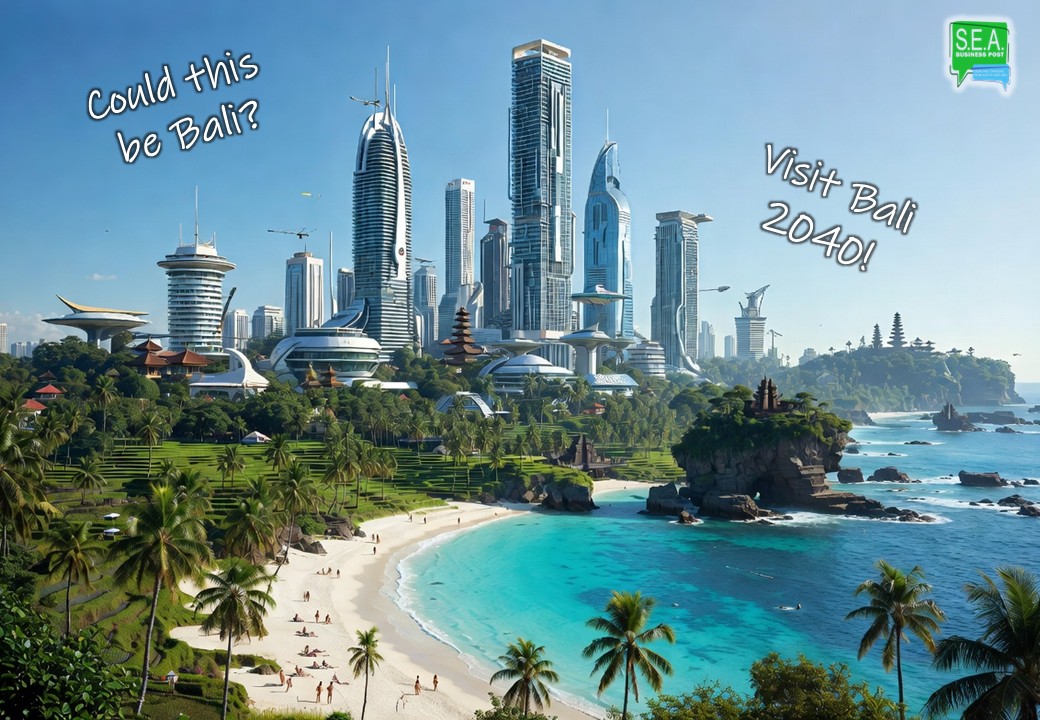
Indonesia is advancing plans to transform the world-famous tourist island of Bali into an International Financial Center (IFC) by developing a dedicated financial special economic zone in the Kura Kura Bali Special Economic Zone (SEZ) near Denpasar. Government officials are currently finalizing the regulatory framework needed to support the IFC’s establishment, which would include legal, fiscal, and infrastructure measures designed to attract global capital and financial services firms. The initiative aims to boost both domestic and foreign investment and elevate Indonesia’s position in the global economic landscape.
Senior ministers such as Coordinating Minister for Economic Affairs Airlangga Hartarto have said Bali could become a strategic barometer for the financial sector, while Finance Minister Purbaya Yudhi Sadewa has pledged tax incentives to lure investors into the IFC, including exemptions and benefits tailored to global businesses. Regulatory discussions have also touched on the potential adoption of common law frameworks and governance regimes more familiar to international investors, an element that could improve legal certainty and dispute resolution attractiveness. Representatives from authorities, including the Otoritas Jasa Keuangan (OJK), have said they expect the financial center to deepen Indonesia’s financial markets and foster innovative products and services, positioning Bali not just as a tourist destination but as an integrated economic hub.
Why Bali and Not Jakarta
At first glance, Jakarta, Indonesia’s capital and financial center, might seem like the natural choice for a global financial hub. Jakarta already houses major banks, corporate headquarters, and stock exchange activity. However, there are strategic reasons the government prefers Bali. Bali already attracts expatriates, tourists, digital nomads, and international communities. Its global brand as a preferred lifestyle destination could help lure foreign talent and investors who value a work–life balance unmatched in Jakarta. Bali’s SEZ allows the government to build a bespoke legal and regulatory ecosystem from scratch, including tax breaks and simplified business processes, without being constrained by Jakarta’s entrenched bureaucracy.
Indonesia is also looking to reduce overdependence on Jakarta for economic activity. By creating a new hub in Bali, the government hopes to spread development, create new job opportunities, and stimulate innovation in finance beyond the capital. Bali’s global tourism stature is being repurposed as an economic brand, turning beaches and boutique living into possible magnets for business elites, not just holidaymakers.
Challenges Compared to Singapore
While the Bali plan is ambitious, the island will face steep competition from Singapore, Southeast Asia’s undisputed financial powerhouse. Singapore benefits from decades of cultivated advantages. Its legal and regulatory environment is trusted worldwide, providing certainty for contracts, dispute resolution, and corporate governance. The city-state boasts a deep bench of finance professionals, supported by top-ranked universities and global firms already anchored there. Singapore’s world-class transportation, digital systems, and physical infrastructure support seamless global operations. Bali, by contrast, must build much of this from the ground up. Its existing transport, legal, and corporate ecosystems are not yet optimized for large-scale financial operations, and perceptions of regulatory unpredictability may deter firms used to the stability Singapore offers.
Lessons from Dubai
Indonesia appears to be taking cues from Dubai, which transformed itself from an oil-dependent emirate into a financial and business hub through deliberate policies. Dubai’s success with the Dubai International Financial Centre (DIFC) came from offering a favorable tax regime and an independent legal system aligned with global norms, providing world-class infrastructure in transport, offices, and digital networks to attract multinational firms, and leveraging its brand, luxury, and strategic location to draw talent and investors. For Bali to replicate this trajectory, Indonesia will need to combine strategic incentives, legal certainty, strong governance, and infrastructure investment with global marketing, not just beachside attractions.
Timeline and Outlook
At present, the Bali IFC is in early development stages, with government ministries finalizing regulations and frameworks throughout 2026. Construction, regulatory implementation, and investor onboarding will take time. Observers suggest that while the foundation may be laid this year, a fully operational international finance hub with meaningful global traction could take several years, if not a decade, to materialize, a process similar to how Dubai and other emerging hubs evolved over time. In short, Bali’s pivot from holiday hotspot to financial hub is an ambitious economic bet. Success will depend on Indonesia’s ability to build credibility, match or exceed competitive frameworks like Singapore’s, and create an ecosystem where investment flows and financial services can genuinely thrive.