







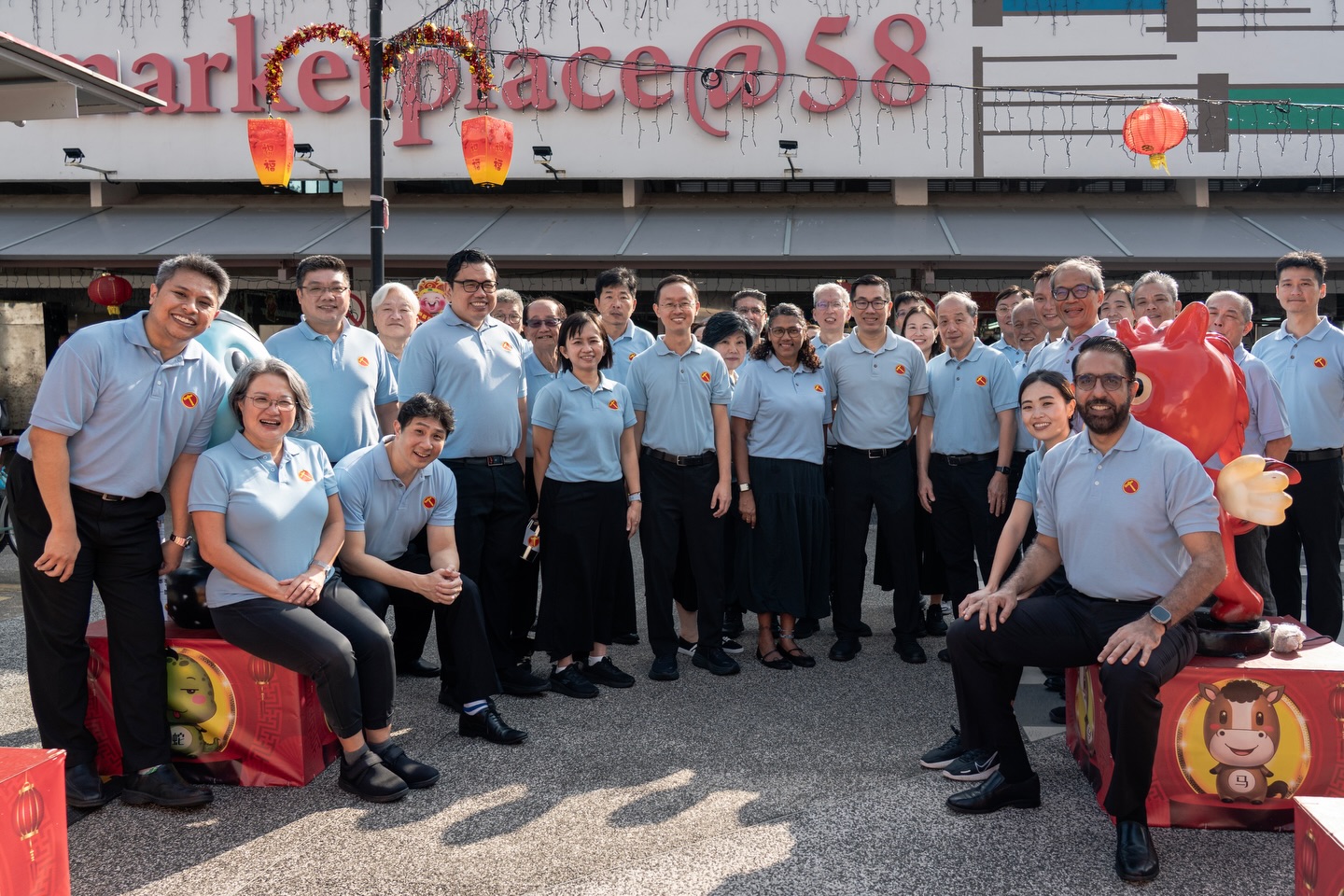
Workers’ Party Faces Internal Chaos Amid Pritam Singh Challenge
For weeks, Singapore’s political discussion has focused on a single question: will Pritam Singh survive the upcoming Special Cadre Members’ Conference on June 28? It is a natural question, but focusing only on Pritam misses the larger story. The conference is less about one individual and more about how Singapore’s largest opposition party handles accountability, loyalty, and the balance between stability and reform. The upcoming vote may ultimately tell Singapore more about the future of the Workers’ Party than about Pritam Singh himself.
Leadership’s Priority: Stability Over Drama
The Workers’ Party leadership has already acted. The disciplinary panel issued a reprimand, and the Central Executive Committee chose to keep Singh in place. From the leadership perspective, this was less about defending a leader than about protecting the party’s long-term institutional stability. WP has spent over a decade building itself into a credible parliamentary force. Removing Singh now could unsettle succession plans, distract from constituency work, and risk exposing internal divisions. Sylvia Lim and the senior leadership team likely view continuity as the safest strategy. In politics, stability is a form of legitimacy, especially for a party that relies heavily on public trust and organisational professionalism.
Cadres’ Perspective: Accountability and Hidden Factions
Not all cadres pushing for the conference are anti-Singh. Some genuinely believe that the party constitution should apply to all members equally. Others are concerned about precedent: if ordinary members face consequences, shouldn’t the secretary-general be held accountable too? There is also a less visible factor. Like any mature political organisation, WP has latent factional tensions. The convictions merely provide a legitimate reason for dissent to surface. In other words, the conference is a test of Singh’s actual support within the party’s inner circle. A narrow victory could expose divisions. A strong win would reinforce leadership control. The margin may matter more than the outcome itself.
Ordinary Members: Between Loyalty and Fatigue
Grassroots supporters have lived through multiple crises: Aljunied Town Council issues, Raeesah Khan’s resignation, parliamentary investigations, removal of Leader of the Opposition title and court cases. For some, the current internal dispute may feel less like accountability and more like fatigue. Emotionally, Pritam is a symbol of the opposition itself. Criticism of him can feel like criticism of the party. Supporters often develop emotional attachments to political figures who symbolise larger causes. As a result, criticism of the leader can sometimes be perceived as criticism of the movement itself. This dynamic helps explain why some supporters view the challenge to Singh as more harmful than the legal controversies that sparked it.
PAP’s Perspective: Strategic Advantage Without Intervention
From the People’s Action Party’s point of view, the drama is already beneficial. WP is focusing inward, consuming political energy on internal governance rather than national issues. Interestingly, PAP may not even want Singh removed. A predictable opposition leader is easier to anticipate than a party entering a period of leadership uncertainty. In this sense, even a partially weakened Singh could serve PAP’s strategic interests.
Singaporeans’ Perspective: Issues Over Intrigue
The median voter is largely unconcerned with internal party mechanics. Most care about housing, healthcare, cost of living, and wages. Among voters, reactions may split: WP loyalists see the conference as a continuation of pressure directed at the opposition. PAP supporters see it as evidence of internal instability. Politically engaged observers see accountability in action. The largest group, however, may simply be tired of procedural drama and more interested in real-world outcomes than internal politics.
A Stress Test for WP and Not Pritam Singh
Perhaps the most overlooked aspect is that the party may be conducting a live stress test. The conference reveals fault lines, loyalty, and the organisational capacity to withstand simultaneous legal, political, and internal pressures. In this sense, the event is both a challenge and a rehearsal. Cadres are tested, leadership strategies are stress-tested, and succession planning becomes visible. WP is learning where it is resilient and where it is vulnerable.
Why June 28 Matters
The vote is not merely about Pritam Singh. It is a contest between two visions of legitimacy. Leadership seeks it through stability. Dissenters seek it through accountability and constitutional principles. The outcome will reveal how Singapore’s largest opposition party balances these competing forces. More than a decision on one leader, it is a rare window into how power, authority, and governance operate within the Workers’ Party. Whatever happens on June 28, the conference will define not only Pritam’s political fate but also the institutional identity of the party itself.