









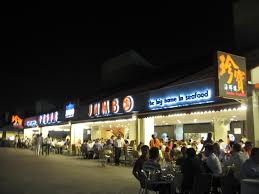
Jumbo Group East Coast Home Closure: Death knell or Rebirth?
An End of an Era at East Coast
Jumbo Group’s Jumbo Seafood at East Coast has, for nearly four decades, been one of Singapore’s most iconic dining destinations at the East Coast Seafood Centre. Long before Michelin stars, celebrity chefs and social media-driven food trends dominated the industry, families, tourists and corporate diners flocked to the seaside restaurant for one dish above all others: Singapore chili crab.
Today, the restaurant that helped build one of Singapore’s most successful homegrown food brands is preparing to close its doors, marking the end of a chapter that began in 1987.
The closure has generated significant public attention, not only because of its historical importance but because it represents a broader transformation taking place within Singapore’s food and beverage industry. While some view the move as a sign of changing times, others see it as evidence of a company attempting to reinvent itself for a new generation of diners.
How Jumbo Seafood Was Born
The company’s roots can be traced back to the late 1980s when Singapore’s seafood dining scene was undergoing rapid growth. East Coast Seafood Centre was emerging as a popular destination, attracting both locals and tourists seeking fresh seafood served in a uniquely Singaporean style.
It was in this environment that Jumbo Seafood established its first outlet and quickly built a reputation for quality seafood dishes, particularly its signature chili crab and black pepper crab. What began as a single restaurant would eventually evolve into one of Singapore’s most recognized food brands.
The Hong Kong Connection
The name “Jumbo” has often caused confusion among diners.
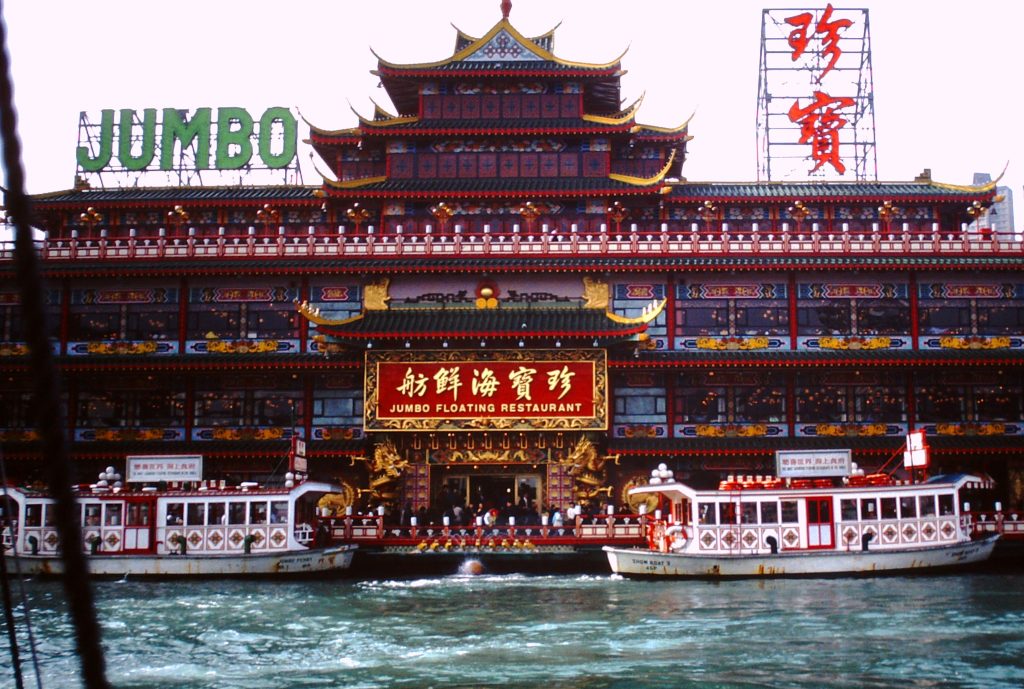
Many consumers assume it refers simply to large seafood portions, but the brand’s origins are linked to Hong Kong’s famous Jumbo Floating Restaurant. At the time, the floating restaurant was one of Asia’s best-known dining attractions and reportedly served as an inspiration for the founders of Jumbo Seafood.
Despite the shared name and inspiration, the two businesses were never connected through ownership. Their paths would eventually diverge dramatically. While Singapore’s Jumbo grew into a listed company with overseas ambitions, Hong Kong’s Jumbo Floating Restaurant closed permanently before sinking during a towing operation in 2022.
From Family Business to SGX-Listed Company
Over the following decades, Jumbo Seafood expanded steadily across Singapore, benefiting from the city-state’s rise as a global tourism and business hub.
As international visitor arrivals increased, the restaurant became a must-visit destination for travelers seeking authentic Singapore cuisine. The brand’s popularity eventually created opportunities beyond Singapore’s shores.
Recognizing growing demand for Singaporean cuisine overseas, the company expanded into China, particularly Shanghai, where affluent consumers were increasingly willing to pay for premium dining experiences.
A major milestone arrived in 2015 when Jumbo Group listed on the Singapore Exchange. The listing transformed the company from a family-operated restaurant business into a publicly traded enterprise with regional ambitions and greater access to capital.
The Challenges of Running Restaurants in Modern Singapore
Success did not shield the company from mounting industry pressures.
Like many restaurant operators, Jumbo found itself navigating rising rents, increasing labour costs and intensifying competition. New dining concepts emerged across the city while digital delivery platforms began reshaping how consumers interacted with food businesses.
Traditional seafood banquet dining remained an important segment, but consumer preferences were evolving. Younger diners increasingly sought convenience, variety and experiences that could be shared online.
These structural shifts forced restaurant operators across Singapore to rethink expansion plans, outlet strategies and customer engagement.
The COVID-19 Test
The pandemic represented one of the most difficult periods in Jumbo Group’s history.
Dining restrictions, border closures and limits on social gatherings disrupted revenue across the hospitality sector. Restaurants that relied heavily on in-person dining suddenly faced unprecedented challenges.
Jumbo adapted through delivery services, takeaway offerings and operational adjustments. While the company survived the crisis, the pandemic accelerated changes that were already transforming the restaurant industry.
Consumers emerged from the pandemic with different expectations, and restaurant operators were compelled to adapt more quickly than ever before.
Why the East Coast Closure Matters
Against this backdrop, the decision to close the East Coast flagship outlet reflects more than nostalgia.
The restaurant holds a special place in Singapore’s culinary history, but maintaining legacy locations has become increasingly difficult in a business environment focused on efficiency and profitability.
For many companies, difficult decisions must be made between preserving heritage assets and investing in future growth opportunities. Jumbo’s move appears to reflect a strategic recalibration rather than a retreat.
The closure symbolizes the end of a historic chapter while creating space for the company’s next phase of development.
Looking Beyond Singapore
Increasingly, Jumbo Group’s growth story is becoming an international one.
China remains a key market for the company, with management expressing continued confidence in opportunities within major Chinese cities. While economic growth in China has moderated, the premium dining segment continues to offer potential for established brands with strong reputations.
International expansion provides Jumbo with access to significantly larger customer bases than Singapore alone can offer.
The company’s future may therefore depend less on domestic expansion and more on its ability to strengthen its position in overseas markets.
The Future of a Singapore Icon
For Singaporeans, the closure of Jumbo Seafood’s East Coast home represents the loss of a familiar institution. Generations of customers celebrated birthdays, anniversaries and business milestones at the restaurant.
Yet from a business perspective, the story is ultimately one of evolution.
Jumbo Group remains one of Singapore’s most recognized restaurant operators, supported by decades of brand equity and a loyal customer base. The challenge now is ensuring that the company remains relevant in a rapidly changing dining landscape.
As the curtains close on its historic East Coast outlet, Jumbo is entering a new chapter. Whether that chapter is defined by expansion in China, new concepts in Singapore or broader regional growth, the company’s ability to balance heritage with innovation will determine its success in the years ahead.