






Shinawatra Dynasty Chaos Deepens Thailand’s Economic Woes
Thailand is once again facing political upheaval after the ousting of its prime minister, a move that has shaken both investors and citizens. The abrupt removal has reopened old wounds about power struggles and dynastic politics. Instead of stability, the country now confronts renewed uncertainty. Businesses have raised alarms about stalled decision-making, delayed reforms, and rising risks. The latest crisis highlights how deeply the shadow of the Shinawatra dynasty still looms over Thailand’s governance.
The legacy of the Shinawatra dynasty
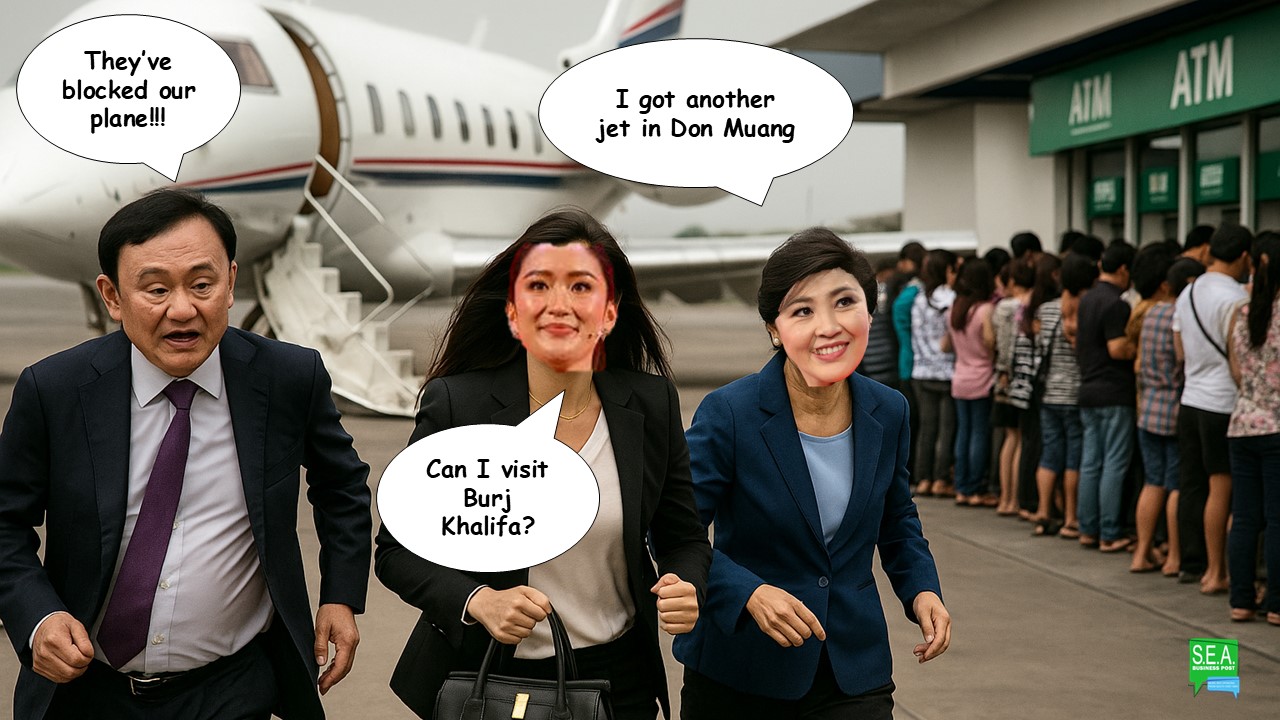
The Shinawatra dynasty has dominated Thailand’s politics for two decades. From populist rise of Thaksin Shinawatra, to the troubled premiership of his sister, Yingluck Shinawatra, to today’s turmoil under their political allies, the dynasty has left a mark that is both empowering and corrosive. Critics argue that their policies widened divisions, fueling urban-rural rifts and entrenching cycles of instability. Now, with the prime minister’s ouster, the dynasty’s influence resurfaces as a symbol of unfinished business. Instead of guiding Thailand forward, their legacy has turned into an anchor dragging institutions into repeated crises.
Businesses voice deep concern
The business community has been quick to comment on the fallout. Leading trade groups warn that uncertainty is discouraging foreign investment. International firms view the current environment as unpredictable, complicating supply chain planning and long-term capital commitments. Domestic enterprises add that projects in infrastructure and energy may stall without clear leadership. Investors who had expected continuity now see an extended pause that could erode confidence in Thailand as a reliable hub.
GDP outlook under pressure
Thailand’s GDP growth forecasts are being revised downward. Economists now expect expansion to fall below 2.5% for the year, significantly underperforming ASEAN peers. Tourism remains strong, but political risk is weighing on capital inflows. Private consumption has slowed as households react to higher costs and uncertain job prospects. Exporters, already hit by global demand weakness, worry that Thailand’s political volatility may make regional competitors more attractive. Without decisive action, Thailand risks missing out on investment that might otherwise boost recovery.
Thai Airways turbulence
Thai Airways, once a symbol of national pride, reflects the country’s broader fragility. The airline has struggled for years with heavy debt and inconsistent restructuring. Political instability due to the Shinawatra dynasty complicates the state-backed carrier’s turnaround plans, with investors uncertain about government guarantees and management stability. Fleet upgrades and new routes are in limbo. For a country that relies heavily on air connectivity to support tourism, the airline’s woes send worrying signals.
Cannabis brakes slammed
Adding to the uncertainty, Thailand’s experiment with cannabis liberalisation is now facing sharp reversals. Regulators are rolling back licenses and signalling stricter limits. Entrepreneurs who had invested heavily in the sector now fear losses. The abrupt policy shift underlines how fragile regulatory reforms can be when politics dominate. Instead of becoming a growth sector, cannabis risks turning into another cautionary tale about Thailand’s unstable policymaking environment.
Casino dreams on hold
One of the boldest economic ideas in recent years was the push for integrated casino resorts to draw new waves of tourists and investment. The plan promised billions in foreign capital and thousands of jobs. But with the government in turmoil, the casino debate is effectively frozen. Religious opposition, social concerns, and political risk make it unlikely that the project will advance soon. Business leaders note that without strong political will, casinos will remain just talk. For now, Thailand risks watching regional rivals such as Singapore and the Philippines capture gaming revenue that could have been shared.
Hotel prices slide
The tourism sector, Thailand’s lifeline, is also flashing warning signs. Average hotel room rates have fallen for the first time in five years, reflecting softer demand and oversupply. Industry leaders say price cuts are necessary to keep occupancy up, but margins are thinning. With travellers increasingly spoilt for choice in ASEAN, Thailand cannot afford uncertainty that undermines its reputation for reliability.
What to expect ahead
Thailand’s short-term outlook is clouded. Businesses want stability and clarity, yet politics offers neither. The enduring influence of the Shinawatra dynasty keeps the country locked in old battles rather than future-focused reforms. Economic fundamentals such as tourism, exports, and consumer demand remain strong but fragile. If reforms stall and policy reversals continue, Thailand risks becoming a cautionary case within ASEAN.
Bottom line. The ousting of the prime minister underscores the unresolved legacy of the Shinawatra dynasty. Political turbulence is feeding into economic weakness, from GDP forecasts to Thai Airways, cannabis, casinos, and hotel prices. Without decisive leadership, Thailand’s recovery risks derailing. For investors, the message is clear: Thailand remains a market of potential, but one trapped in the mess its dynastic politics created.