









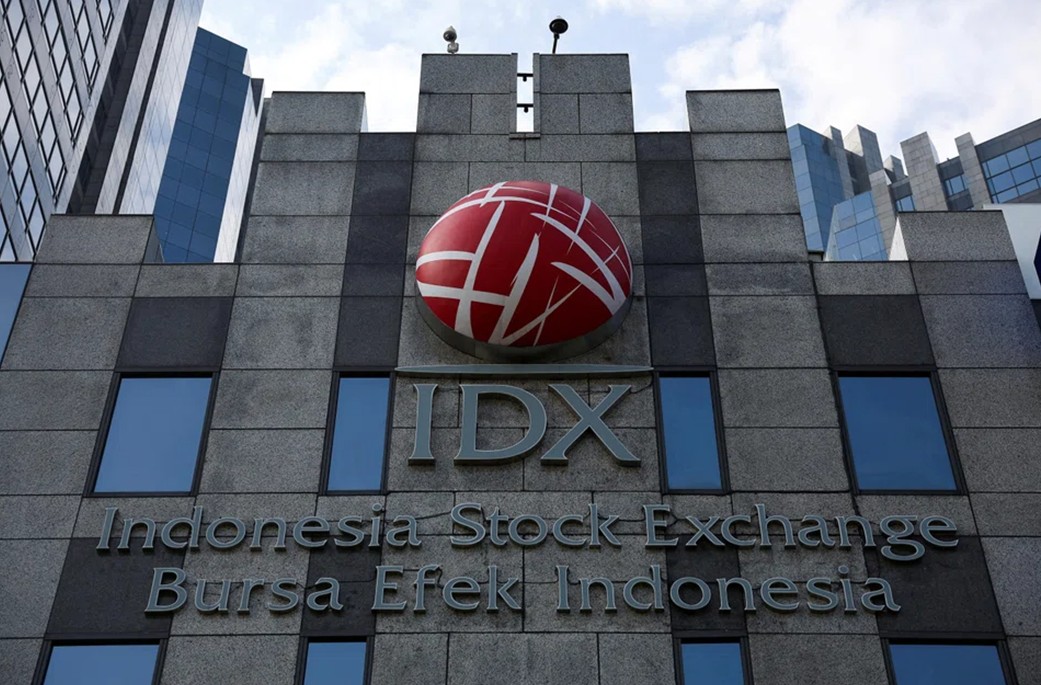
IDX Reforms: A Major Shift Towards Transparency
The Indonesia Stock Exchange (IDX) is undergoing urgent reforms aimed at improving ownership transparency and ensuring that the country’s stock market meets international standards. These changes are causing significant market volatility, especially for companies with concentrated ownership, and raising concerns about index exclusions and foreign outflows. Companies must now comply with the new regulations or risk losing global investor confidence.
New Free Float Requirement
The IDX has introduced a free float requirement that mandates listed companies must ensure at least 15 percent of their shares are available for public trading. Companies will have up to three years to meet this threshold. This is part of a broader effort to improve market transparency and make the exchange more attractive to global investors. However, many family-controlled companies, such as Barito Renewables Energy, Dian Swastatika Sentosa, and Samator Indo Gas, were flagged for having over 95 percent of their shares tightly held by a small group of investors. Following this disclosure, their stock prices plummeted, reflecting the market’s anxiety about potential exclusion from key investment indices.
The MSCI Threat
The IDX’s reforms are crucial for meeting MSCI’s ownership transparency standards. If companies with high ownership concentration fail to comply, they face the risk of being excluded from the MSCI Indonesia Index, which could result in foreign outflows. Wilbert Arifin, an equity analyst at Mirae Asset Sekuritas Indonesia, highlighted the potential for passive fund outflows if Barito Renewables and Dian Swastatika are excluded from the index. These companies are among the largest on the Jakarta Composite Index, and their exclusion could cause active investors to sell their positions, triggering further declines in stock prices.
Short-Term Volatility and Market Reactions
The reforms have already caused significant market turbulence, with companies like Samator Indo Gas and Abadi Lestari Indonesia seeing 15 percent drops in their stock prices. These companies, like others, are struggling to meet the new regulations. Solusi Tunas Pratama, a telecom infrastructure firm controlled by the Djarum Group, has already announced plans to delist from the IDX because it cannot meet the free float requirement. This highlights the challenges that family-owned conglomerates face in complying with the new rules.
The IDX’s changes are designed to increase market liquidity and improve investor confidence. While these reforms might create short-term volatility, they are aimed at reducing the risks associated with high ownership concentration. By promoting greater disclosure of ownership structures and requiring a larger free float, the IDX is making steps toward aligning with international standards.
Benefits of the Reforms
Despite the immediate challenges, the IDX reforms are expected to have long-term benefits for Indonesia’s capital markets. The push for greater transparency is likely to attract more foreign investment, as investors increasingly demand clearer governance and ownership structures. Indonesia’s stock market will be better positioned to compete with other Southeast Asian markets, providing a more open and accessible investment destination.
As the market adapts to these changes, Indonesia could see increased market liquidity, enhanced global reputation, and stronger integration with global financial systems. These changes are part of a larger effort to make Indonesia’s stock market more investment-friendly, ensuring that it meets the demands of both local and international investors.
Navigating the Transition
While the IDX reforms may cause short-term disruptions, they are setting the stage for a more transparent and competitive stock market in Indonesia. The implementation of the free float requirement and increased ownership disclosure is designed to make the market more attractive to foreign investors and align with international practices. As Indonesian companies navigate these changes, the long-term outcome will likely lead to a stronger market with better governance, attracting global capital and providing more opportunities for investors. The transition will not be without challenges, but it marks a pivotal moment for the future of Indonesia’s financial markets.