



Thailand Establishes Eight EEC Special Economic Zones
Thailand’s cabinet has acknowledged the establishment of eight special economic zones proposed by the Eastern Economic Corridor Policy Committee, widening the number of locations where investors can access EEC Act incentives, approvals and permissions. The Royal Thai Government announced the decision on 6 October.
The zones span industrial estates, an LNG terminal, logistics, food processing and specialised healthcare. The move is a regulatory and infrastructure step rather than a disclosure of new capital commitments, so its business significance will depend on whether companies take up the available incentives and projects progress into construction and operation.
Eight sites across the EEC area
The eight designated locations are Amata City Chonburi Industrial Estate 2; 304 Industrial Park 2; the Sustainable Thai Coffee Cluster in Bang Pakong; Map Ta Phut Industrial Estate; Lakchai Muang Yang Industrial Estate in Rayong; the LifeSphere specialised medical and health centre in Pattaya; Map Ta Phut LNG Terminal 2; and Smart Logistics in Chachoengsao.
The portfolio is notably broader than a single factory or technology park. It combines established industrial locations with energy, logistics, food processing and health services, which could help investors assess projects along connected supply chains rather than only as standalone manufacturing investments.
What the designation changes
According to the government announcement, investors in the designated zones can be eligible for incentives, approvals and permissions under the Eastern Economic Corridor Act. That can make the zones more attractive to businesses weighing site selection, but it does not automatically mean a project has received all approvals or that investment has been deployed.
For companies, the next practical questions are project-specific: the relevant incentive terms, operating requirements, land and utility readiness, financing and demand. Those details will determine which proposed investments proceed and on what timetable.
Infrastructure is central to the plan
The government said the designations are intended to support public utilities inside and outside project areas, including roads, water systems, electricity and reservoirs. These supporting systems matter for industrial operators because capacity constraints in transport, water or power can alter the economics of even an approved project.
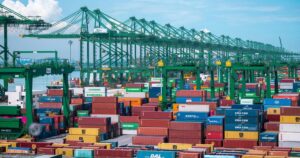
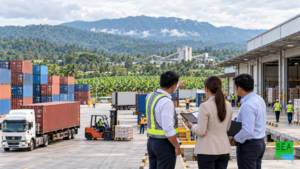
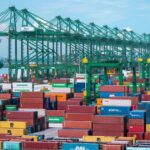
Map Ta Phut LNG Terminal 2 adds an energy-related element to the group, while the Smart Logistics zone in Chachoengsao points to the movement and management of goods. The government said the logistics focus is intended to improve resource use and reduce waste, unnecessary transport, excessive storage and product damage.
Food and services diversify the investment case
The Sustainable Thai Coffee Cluster is included under the food-processing designation, while LifeSphere in Pattaya is intended for specialised medical care and comprehensive health services. The government also said the programme is expected to support agricultural and food security through resource management and higher-value agriculture.
That mix means the economic zones are not solely an export-manufacturing story. They could also create demand for local suppliers, service providers, utilities and logistics firms if the sites attract operating businesses. The announcement says the policy aims to expand economic activity, distribute income to surrounding areas and create local employment opportunities.
Execution will be the measure of impact
The designation creates a framework for investment, but it is not a measure of realised foreign direct investment, production or jobs. Businesses and investors should watch for company-level investment decisions, utility development, construction progress and the actual use of EEC incentives.
Those indicators will show whether the eight zones translate from a policy framework into additional productive capacity. For now, the decision gives Thailand a wider, sectorally varied set of locations to present to investors considering Eastern Economic Corridor projects.
Source: Royal Thai Government, “Eight special economic zones to be established”, 6 October 2026.