







End of Duterte Era: A Break from Political Dynasties or Short-Lived Revolution?
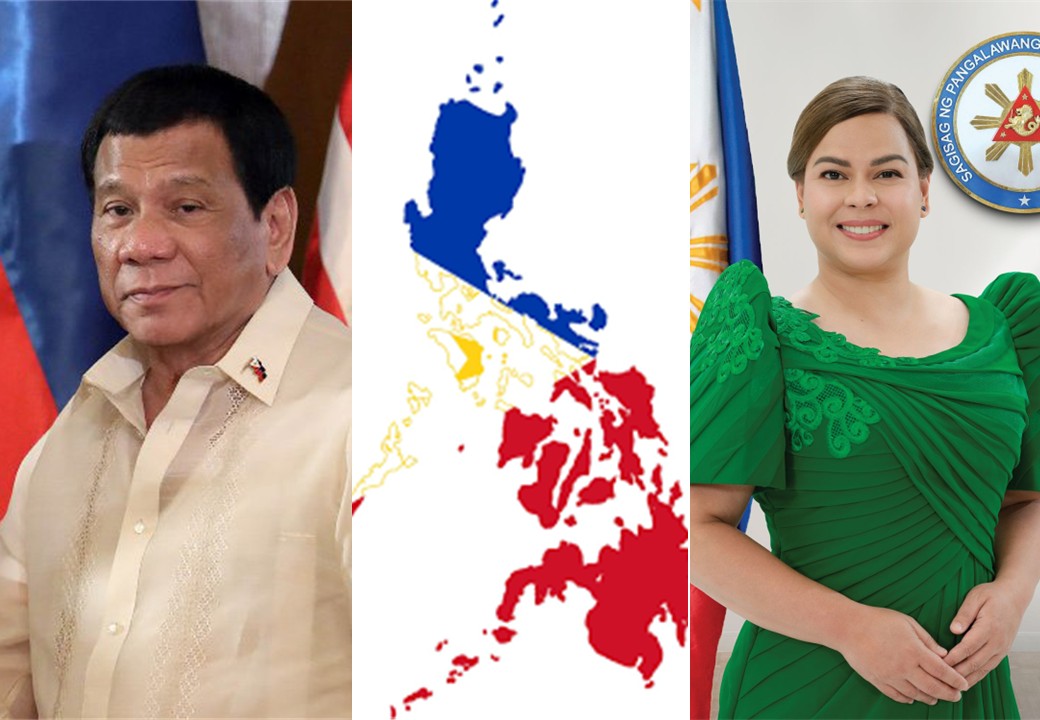
The Philippines has long been dominated by political dynasties, with powerful families often controlling the country’s political institutions for generations. However, Rodrigo Duterte’s rise to the presidency in 2016 marked a rare departure from this pattern. For the first time in years, a leader emerged who was not from one of these long-standing political families. His election was viewed as a break from the usual dynastic politics, but with the current impeachment proceedings against his daughter, Vice President Sara Duterte and his own legal troubles with the International Criminal Court (ICC), questions are now being raised about whether the Duterte family will truly be a dynasty or if it will remain an anomaly in the country’s political landscape.
Duterte: A Break from Political Dynasties
Rodrigo Duterte was a break from the norm in Philippine politics. Unlike previous presidents who came from influential families such as the Aquinos, Marcoses, and Arroyos, Duterte rose to power on his own merit. His career as the mayor of Davao City gave him the political clout to run for president, and he was able to do so without relying on family connections. His presidency, seen by many as a move away from the grip of established political families, resonated with the people who felt that they were finally being given a chance to vote for someone outside of the traditional political elite.
His message was clear: he was not a part of the political establishment, and his rise to power was proof that the system could be challenged. Duterte’s strong stance against corruption and his tough approach to crime made him a popular figure who garnered support from those who were tired of the same old political families running the country.
The Duterte Family and the Rise of a New Dynasty?
Despite the way Duterte came to power, some critics have labeled his family as a dynasty, especially as his daughter, Sara Duterte, ascended to the role of vice president in 2022. However, unlike other political families, Sara’s rise was not handed to her. Instead, she built her own political base and was elected on her own merits. While some may view her position as a continuation of her father’s legacy, it is important to note that the Duterte family’s political influence is still in its early stages and did not follow the traditional route of political dynasties that have existed in the Philippines for decades.
Sara Duterte’s success was not due to a pre-existing family network of power. Her election to the vice presidency was built on her own track record as Davao City’s mayor and her ability to connect with the people. While it may be tempting to call her rise a sign of dynastic politics, it is important to consider that the Duterte family did not inherit political power as many other Filipino political families did.
Impeachment and ICC Trial: A Distraction from Real Issues
While Sara Duterte’s impeachment and Rodrigo Duterte’s trial at the ICC have captured the public’s attention, these issues have done little to address the real challenges facing the country. Sara Duterte’s impeachment, which stems from accusations of misuse of funds and corruption, has become a political sideshow. The process has been bogged down by delays and political maneuvering, with political rivals using it as a tool to undermine the vice president’s credibility rather than focus on policy-making that could actually improve the lives of Filipinos.
At the same time, Rodrigo Duterte’s trial at the ICC for crimes against humanity continues to dominate the conversation about his presidency. While the charges are significant from a global human rights perspective, they have distracted from the domestic issues that need urgent attention, such as poverty, inflation, and economic recovery. These ongoing legal battles, while important for accountability, take focus away from the pressing social and economic problems the country faces.
A Shift in Power, Not Dynasty
In reality, the Duterte family’s influence is not based on the same kind of political dynasty seen in other families like the Marcoses, Aquinos or Arroyos. Duterte’s rise to power was a break from dynastic rule, and his leadership was a challenge to the traditional political system. The family’s presence in politics now does not necessarily indicate a long-lasting dynasty but rather a transition in a system that is still largely dominated by entrenched political families.
As the Duterte family faces legal battles and internal political struggles, one thing remains clear: they are fighting against the dynastic forces that have long held power in the country. Whether or not the Duterte family will continue to play a significant role in Philippine politics remains to be seen. Their focus on legal challenges and internal political issues, however, risks sidelining the real issues that need attention which are economic growth, healthcare, job creation, and poverty alleviation.
Political Focus on the Real Issues
While the impeachment and ICC trial are significant political events, they should not be allowed to overshadow the urgent reforms needed in the country. Political dynasties continue to play a large role in the Philippines but the Duterte family’s rise to power was not a product of this system. instead, it was a challenge to it. However, the focus on family scandals and legal battles risks preventing the government from addressing the country’s real needs.
In conclusion, the Duterte family’s role in Philippine politics remains an open question. While they may not fit the mold of traditional dynasties, their future in the country’s political scene remains uncertain. The more pressing issue, however, is whether the Philippine government will move past these political distractions and start focusing on the real issues that affect the daily lives of the Filipino people.