





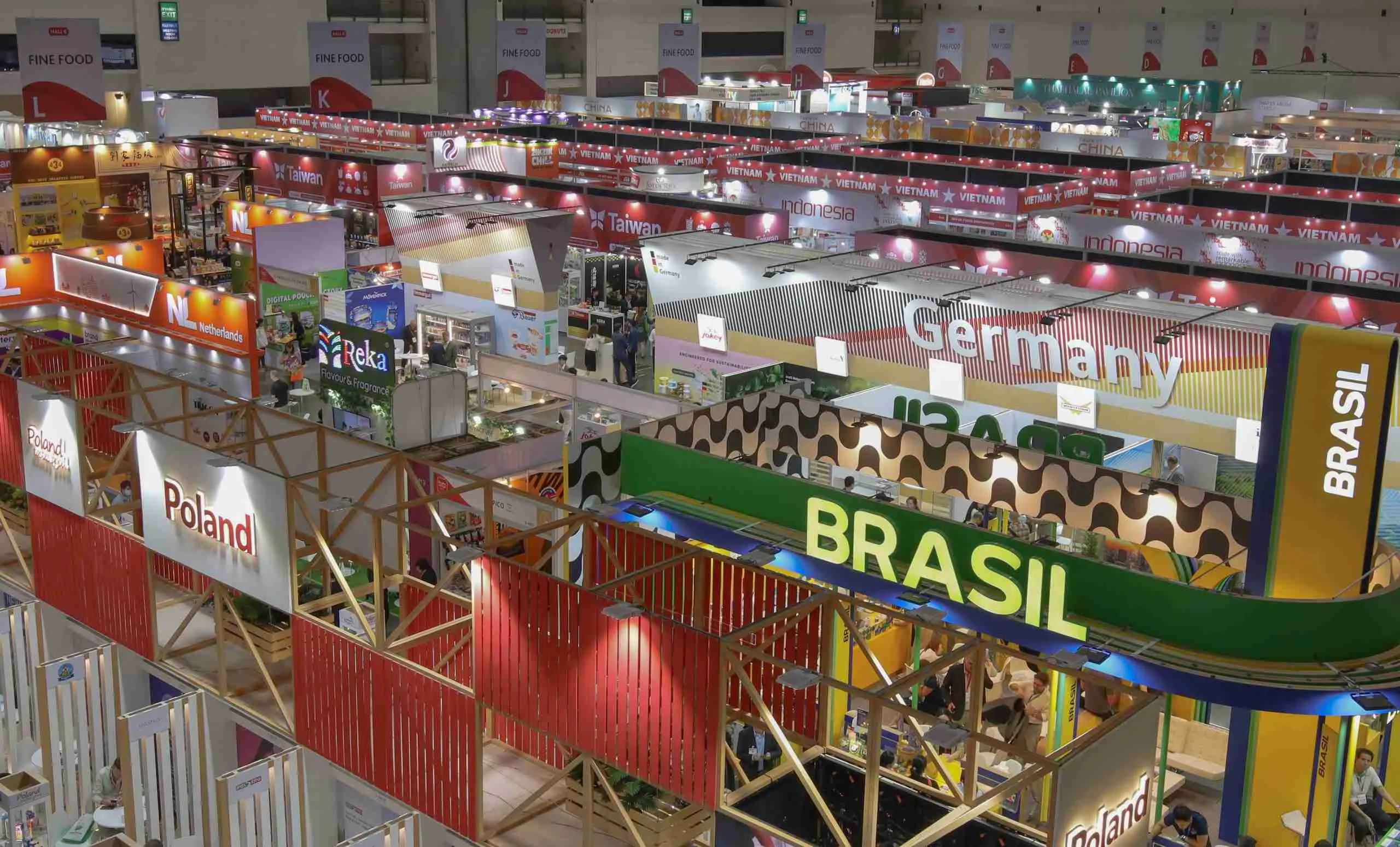
Halal Economy is Booming in Southeast Asia with strong presence at THAIFEX 2026
Strong halal food presence at THAIFEX, one of Thailand and Asia’s largest food and beverage trade exhibitions, highlights a growing reality in global commerce. The industry is no longer confined to religious consumption. It is increasingly viewed as a major driver of international trade, supply chain development, food safety standards, and export growth.
As the global halal market moves toward an estimated value of more than US$3 trillion, countries across Southeast Asia are competing to secure a larger share of a rapidly expanding industry. Thailand, Malaysia, Indonesia, and Brunei are all strengthening their ecosystems to attract buyers, investors, and multinational corporations seeking reliable halal supply chains.
The Rise of the Global Halal Economy
The halal economy has evolved far beyond its traditional role of serving Muslim consumers. Today, certified products are gaining wider acceptance among non-Muslim consumers who associate certification with quality assurance, hygiene, transparency, and traceability.
Global demand for halal food continues to rise alongside population growth, urbanisation and increasing consumer awareness of food production standards. The sector now represents one of the fastest-growing segments of the global food industry, creating significant opportunities for exporters and manufacturers.
For Southeast Asia, the expansion of the market presents a strategic opportunity. The region possesses strong agricultural resources, established food manufacturing capabilities, and access to major consumer markets across Asia, the Middle East, and Africa.
Why Global Brands Are Investing
The growing importance of halal supply chains is attracting the attention of multinational corporations. Increasingly, global brands are integrating halal certification into their production processes not only to serve Muslim consumers but also to strengthen product credibility and market access.
Certification requires strict compliance with production, sourcing, handling, and storage requirements. These standards align closely with broader corporate goals related to food safety, supply chain transparency, and environmental, social, and governance practices.
As supply chains become more complex, businesses are seeking systems that improve traceability from farm to consumer. Industry standards provide an additional layer of verification that can help companies demonstrate accountability and product integrity across international markets.
For many multinational food producers, this certification has become a strategic business tool rather than a niche market requirement.
Mega Race in Southeast Asia
THAIFEX has become an important platform for showcasing Thailand and the region’s ambitions. Thailand is leveraging its reputation as a major food exporter to expand its halal food industry and strengthen trade links with Muslim-majority markets.
Malaysia remains one of the world’s most recognised halal certification leaders and continues to promote itself as a global halal hub. Indonesia, home to the world’s largest Muslim population, is investing heavily in industry development while encouraging domestic manufacturers to increase exports.
Brunei is also positioning itself as a trusted source of certified products and services, particularly in premium and specialised market segments.
This regional competition is helping drive innovation, investment, and infrastructure development across ASEAN. Governments are introducing policies to support halal exports, strengthen certification systems, and improve supply chain capabilities.
Beyond Food
The halal economy now extends beyond food into pharmaceuticals, cosmetics, tourism, logistics, and financial services. This expansion is creating new business opportunities throughout the value chain.
Digital technologies are also transforming the industry. Companies are increasingly adopting data analytics, blockchain solutions, and digital certification platforms to improve verification processes and supply chain management.
As global demand continues to expand, Southeast Asia is emerging as a critical player in the future of the trade. The strong presence at THAIFEX reflects more than exhibition activity. It demonstrates the region’s determination to become a leading contributor to global halal supply chains worth trillions of dollars.
For businesses seeking growth in international markets, halal is no longer simply a religious standard. It is becoming a global benchmark for quality, trust, transparency, and long-term competitiveness.