
Trump’s Radical New 15% Tariff and Its Implications for Singapore
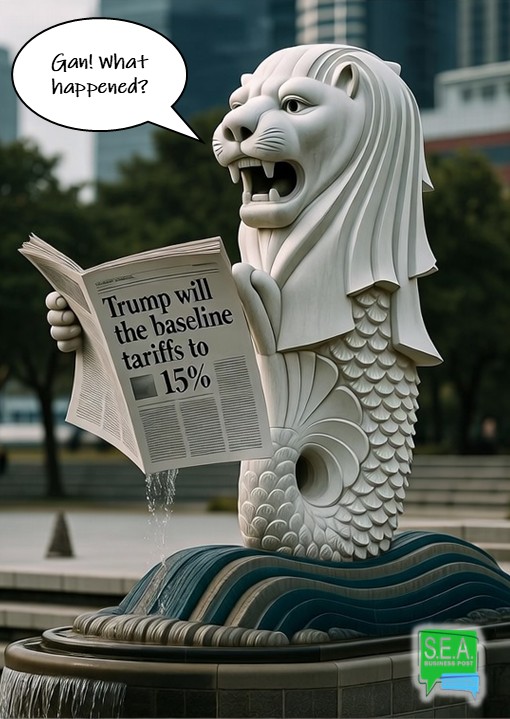
President Donald Trump’s decision to raise the US baseline tariffs rate from 10% to 15% significantly impacts global trade, especially for Singapore. As a country that has previously benefited from the lower rate, Singapore now faces higher costs on its exports to the US. This policy shift, paired with a recent US Supreme Court ruling that blocked Trump’s initial plan, presents both challenges and opportunities for Singapore in a rapidly changing economic environment.
Impact on Singapore’s Exports
The increase in tariff directly affects Singapore, a nation with an economy highly reliant on exports. Key sectors such as electronics, pharmaceuticals, and machinery, which are major contributors to Singapore’s export market, now face higher entry costs in the US. This raises the price of Singaporean goods, making them less competitive in the American market. As a result, companies that depend on the US for significant portions of their sales could see reduced demand and squeezed profit margins.
Industries like electronics are particularly vulnerable to this change. Higher tariffs could force companies to adjust their pricing strategies or reconsider their supply chains to mitigate the impact. The uncertainty this creates could disrupt long-standing trade relationships and potentially weaken the stability of key sectors in Singapore’s economy.
Minister Gan Kim Yong’s Response
In light of these developments, Singapore’s Minister for Trade and Industry, Gan Kim Yong, stressed the importance of preparing for long-term challenges. Speaking during an interview at One Punggol Community Centre, he explained that Singapore must adapt to the “new world” of global trade. “We need to prepare for the long term, and this is the new world that we are facing,” Minister Gan said.
Minister Gan emphasized the country’s ongoing efforts to strengthen its competitiveness and resilience. He pointed out that Singapore’s economic strategy review plays a vital role in boosting the nation’s ability to face external shocks. By diversifying trade relationships and focusing on innovation, Singapore aims to remain competitive despite the economic headwinds caused by the duty increase.
US Supreme Court’s Ruling on Tariffs
Trump’s initial “Liberation Day” tariffs was struck down by the US Supreme Court, which ruled that they were imposed without proper legal authority under the International Emergency Economic Powers Act. However, the White House responded swiftly by invoking Section 122 of the Trade Act of 1974, allowing the US president to impose temporary import duties of up to 15% for a period of 150 days, aimed at addressing trade imbalances.
This legal shift temporarily halted the original plan but allowed the 15% duty to proceed under Section 122. While this measure is temporary, it provides the US with flexibility to adjust to balance-of-payments deficits, leaving the future of such policies uncertain. The uncertainty surrounding this policy change adds complexity for businesses, including those in Singapore. Meanwhile, Indonesia has managed to secure a huge reduction in its tariffs.
Singapore’s Strategy for Economic Resilience
Although the higher duties present challenges, Singapore remains focused on resilience and adaptation. Minister Gan’s remarks underscore the importance of long-term planning in strengthening Singapore’s economic position. The country will continue to build new trade partnerships, further its participation in agreements like the Regional Comprehensive Economic Partnership (RCEP) and diversify its markets to reduce reliance on any single economy.
Diversification is key to ensuring that Singapore remains competitive even when facing such changes. By expanding its trade relations and focusing on sectors like finance, technology, and services, Singapore aims to remain agile and resilient in the face of global uncertainties. The nation’s strong foundation in these industries will help mitigate the impact of the duty increase and ensure continued growth.
Adapting to a Changing Global Trade Landscape
The decision to raise tariffs to 15%, coupled with the legal challenges surrounding the policy, creates both risks and opportunities for Singapore. While the higher tariffs could cause short-term difficulties for exporters, Singapore’s long-term strategy of diversification, innovation, and economic resilience remains a critical strength. By strengthening its global trade relationships, seeking new markets, and enhancing its competitiveness, Singapore can navigate this shift in the global economic landscape.
As the world’s trade environment continues to evolve, Singapore’s ability to remain agile will be crucial. By focusing on resilience and long-term planning, Singapore can overcome these challenges and continue to thrive in an increasingly interconnected world.