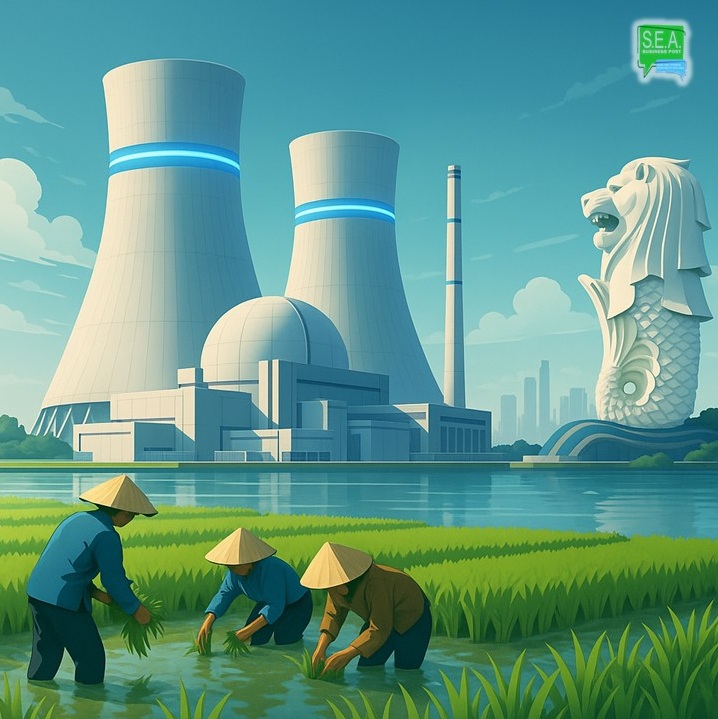
Nuclear energy is rapidly emerging as a crucial part of the global effort to combat climate change and transition to sustainable energy sources. For Singapore, a city-state with ambitious environmental goals and a growing energy demand, nuclear energy presents an exciting opportunity to diversify its energy mix. As the country explores innovative ways to meet its future energy needs, nuclear energy, particularly through collaborations like the recent South Korea Memorandum of Understanding (MOU), is poised to play a pivotal role.
A Low-Carbon Solution for Singapore’s Energy Needs
Nuclear energy offers a low-carbon alternative to traditional power sources such as coal and natural gas. For Singapore, which has committed to reducing its carbon emissions and achieving a sustainable energy future, the energy source provides a viable solution to meet the growing demand for electricity while minimizing its environmental impact. As the country continues to urbanize and industrialize, it can help provide a stable and reliable power supply without further exacerbating the carbon footprint.
Singapore’s energy strategy has long been focused on clean energy technologies such as solar and energy storage. As part of its ongoing efforts to diversify its energy mix and meet its carbon reduction targets, nuclear energy is increasingly seen as a key component of the country’s future. This exploration of nuclear energy is particularly significant as Singapore seeks to bolster its energy resilience and ensure long-term sustainability.
Overcoming the Challenges
Despite the potential benefits, the adoption of nuclear energy in Singapore is not without its challenges. One of the primary obstacles is public perception. Nuclear disasters such as Chernobyl and Fukushima have left many with lingering concerns about the safety of nuclear power. In a country like Singapore, known for its strict safety standards and regulatory framework, any nuclear energy project will need to address these concerns through robust safety protocols and transparent communication with the public.
Additionally, nuclear energy infrastructure requires substantial investment. The construction of nuclear power plants and the necessary safety measures can be costly and complex. Given Singapore’s limited land area, the country must consider alternative nuclear solutions that are more compact and adaptable to its urban environment. Small modular reactors (SMRs), which offer a safer, more scalable, and cost-effective alternative to traditional nuclear plants, could hold the key to overcoming these challenges.
Small Modular Reactors
A new and exciting development in nuclear energy is the rise of small modular reactors (SMRs). SMRs are designed to be smaller, more flexible, and safer than traditional nuclear reactors. These reactors can be scaled to meet the specific energy needs of a region, making them an ideal solution for a city-state like Singapore, which has limited space for large power plants. SMRs also come with advanced safety features, including passive cooling systems, which reduce the risk of accidents and make them more suitable for urban environments.
Singapore is already exploring the potential of SMRs. The country has entered into a Memorandum of Understanding (MOU) with Korea Hydro & Nuclear Power (KHNP) to study the feasibility of using SMRs as part of its energy strategy. This partnership marks a significant step forward for Singapore, as it collaborates with South Korea on civil nuclear energy technologies. The MOU focuses on knowledge sharing, joint development of nuclear solutions, and training programs aimed at building nuclear expertise in Singapore.
This collaboration is not only a milestone for nuclear energy in Singapore but also a strategic move to enhance the country’s energy security. By diversifying its energy mix with nuclear energy, Singapore can reduce its dependence on external energy sources and increase its energy resilience.
Singapore’s Energy Security
As Singapore’s economy grows, so does its demand for energy. Currently, the country relies heavily on natural gas imports, making its energy supply vulnerable to price fluctuations and geopolitical disruptions. Nuclear energy offers a potential solution to this challenge by providing a stable, domestically generated energy source. By integrating nuclear power into its energy mix, Singapore can reduce its reliance on imported fossil fuels and enhance its energy security.
The introduction of SMRs, particularly in collaboration with South Korea, could significantly improve Singapore’s energy resilience. With small, flexible reactors, the country would have greater control over its energy supply and be better positioned to adapt to future challenges, including climate change and evolving global energy markets.
A Big and Bright Future for Nuclear Energy in Singapore
The journey toward adopting nuclear energy in Singapore is still in its early stages, but the potential benefits are undeniable. Through its collaboration with South Korea on small modular reactors, Singapore is exploring nuclear energy as part of its sustainable energy future. While challenges such as safety, regulation, and public acceptance remain, the possibilities for nuclear energy to contribute to Singapore’s energy needs are vast. This exploration aligns with broader regional trends, with the Philippines’ nuclear project in the 1980s failing due to safety and political concerns, while Thailand and Indonesia considered nuclear energy before the pandemic but have made little progress since. Meanwhile, Vietnam is now seriously considering nuclear power to meet its growing energy demands.
As the world shifts toward cleaner energy solutions, nuclear energy is likely to play an increasingly important role in Singapore’s energy mix. With the right technological advancements, regulatory frameworks, and public engagement, nuclear energy could help Singapore achieve its climate goals and ensure a reliable, sustainable energy future. The partnership with South Korea marks a significant milestone in Singapore’s nuclear energy journey, positioning the city-state at the forefront of innovation and sustainability in Southeast Asia’s evolving energy landscape.