






Singapore Vietnam Nuclear Plans Ignite Energy Security Potential
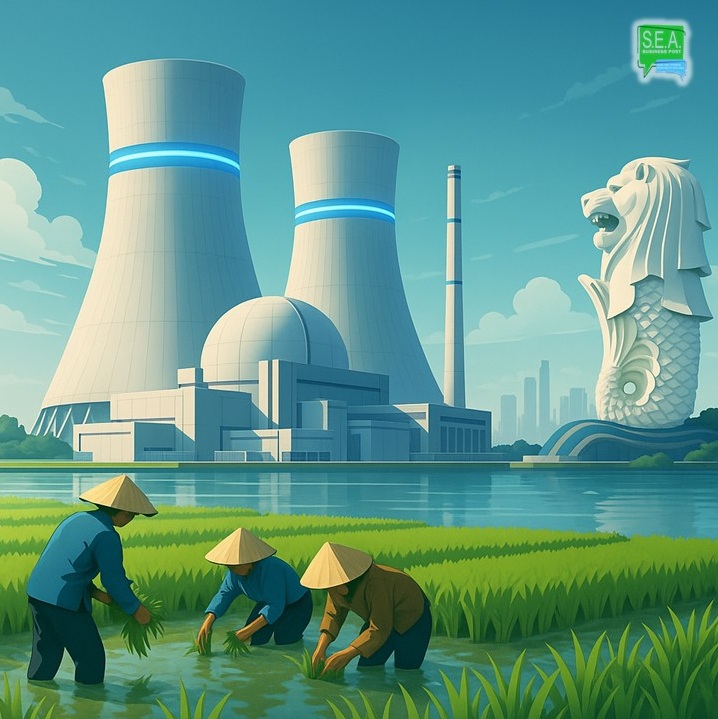
Nuclear energy is rapidly emerging as a serious consideration for Singapore and Vietnam, marking a significant shift in the energy landscape of Southeast Asia. Both countries are evaluating small modular reactors (SMRs) to support long-term energy strategies, addressing the increased demand for sustainable energy sources.
The growing interest in power reflects the urgent need for stable, low-carbon power to meet economic growth, facilitate digital transformation, and achieve climate targets. This transition signifies that energy is no longer seen as a distant or risky concept but rather as a strategic component of the future energy mix. By investing in energy, both nations are positioning themselves to be at the forefront of a clean energy revolution, potentially leading to technological advancements and enhanced energy security.
Singapore’s cautious approach to nuclear power
Singapore has long taken a careful and measured approach to energy, recognising the unique challenges posed by its land-scarce and densely populated environment. Large-scale reactors are unsuitable, making SMRs, which boast a smaller footprint and advanced safety features, a more viable alternative. The government has already invested significantly in research, talent development, and international partnerships to build the necessary capacity for possible future adoption. Instead of rushing into construction, Singapore is diligently preparing its regulatory and technical foundations early, ensuring all safety and operational aspects are thoroughly addressed. This strategy allows Singapore to maintain its commitment to public safety while exploring the potential of energy to contribute to its energy mix.
AI is driving new energy demand
A major force behind Singapore’s long-term planning is the rapid advancement of artificial intelligence. Data centres already account for a significant portion of national power use, and with AI computing requiring even more energy, the demand continues to rise. As Singapore positions itself as a regional AI hub, the stability offered by energy could provide the reliable, low-carbon baseload essential to support this future demand. Unlike traditional renewable energy sources that are often intermittent and constrained by geographical limitations, power can ensure a continuous supply of energy that can be counted on at all times, thereby facilitating the growth of AI and other energy-intensive industries.
Vietnam’s more decisive path
Vietnam, by contrast, is taking a faster and more decisive path towards energy. After previously shelving its ambitions, the country has revived plans to integrate power into its energy strategy, with SMRs playing a central role. The government has set a target to bring energy online between 2030 and 2035, reflecting a strong commitment to diversifying its energy sources. With more available land and robust industrial capacity, Vietnam views energy as a key solution to not only meet its rising power demand but also to reduce its dependence on coal and enhance energy security. This strategic move is crucial as Vietnam seeks to balance economic growth with environmental sustainability.
Why SMRs appeal to both countries
SMRs are attractive for both Singapore and Vietnam because they are modular, compact, and safer than traditional reactors. Their flexible deployment allows capacity to grow with demand, aligning with Singapore’s cautious planning and Vietnam’s faster timeline. These features make SMRs a practical entry point into the energy landscape for Southeast Asian countries.
This modular approach allows for incremental growth, enabling both countries to align their energy production capabilities closely with demand. Moreover, the deployment of SMRs can be strategically planned across various regions to enhance energy accessibility and reliability, particularly in rural areas that may experience energy shortages. The adaptability of SMRs to different settings adds to their appeal, making them a compelling option for countries looking to modernise their energy infrastructure while remaining sensitive to environmental concerns.
Challenges ahead
Despite the promise, both nations face challenges. SMR technology is still at an early commercial stage, with cost and waste management questions to resolve. Public acceptance will be crucial, particularly in Singapore. Vietnam must address financing, infrastructure, and regulatory readiness. Both countries need strong safety frameworks before energy can be deployed at scale.
Furthermore, as both Singapore and Vietnam navigate the technological and regulatory challenges ahead, international collaboration may play a vital role. Engaging with global nuclear power experts, participating in international safety forums, and sharing best practices can help both nations build robust frameworks that ensure the safe deployment of nuclear technology. Such collaborative efforts not only enhance public confidence but also position them as leaders in the nuclear energy space within Southeast Asia.
AI power use adds urgency for Singapore
The rapid rise of AI adoption in Singapore is intensifying pressure on the nation’s energy system. As power needs may potentially exceed existing capacity in the coming decade, relying solely on imported electricity or renewable sources may not be sustainable. Nuclear energy, particularly when delivered through SMRs, could provide the stable baseload required to support the anticipated growth driven by AI technology. This urgent need for reliable solutions could catalyse Singapore’s discussions, transitioning them from theoretical research into tangible policy and deployment decisions, thereby paving the way for a more resilient energy future.
Regional trends
Vietnam is clearly taking a significant leap forward in its energy planning, positioning itself to potentially become one of the first countries in Southeast Asia to bring nuclear power online. This proactive approach reflects a broader regional trend as various Southeast Asian nations come to realise the limitations of relying solely on renewable energy sources. If SMRs prove to be commercially viable, they could reshape the region’s energy landscape, establishing nuclear power as a critical component of the energy mix. This realisation underscores the importance of investing in diverse energy solutions to ensure a sustainable future for the region.
Looking ahead
As Singapore steadily prepares for a nuclear future and Vietnam moves rapidly towards establishing plants, their differing timelines reflect the unique conditions each country faces. However, their shared interest in nuclear power demonstrates how this energy source may soon play a central role in enhancing Southeast Asia’s energy security and supporting an AI-driven economy. With a collective commitment to exploring nuclear energy, both nations stand to benefit from improved energy resilience and reduced carbon emissions, contributing positively to regional climate goals.