







Is there A Big Heritage Business Fall In Singapore?
Are heritage businesses closing down in Singapore? In a surprising announcement, FoodXervices, a food distributor with an incredible 92-year legacy, revealed that it would wind down all operations by the end of April 2026. Established in 1934, FoodXervices had become a staple in Singapore’s wholesale food sector, serving restaurants, hotels, and businesses. However, after battling significant headwinds over the last six years, the family business had to face the unfortunate reality of closing its doors. The loss of its headquarters at Xpace, 218 Pandan Loop, hastened this decision, though the details surrounding the loss remain unclear. The closure of FoodXervices marks the end of an era for a family-owned business that had survived through decades of change and challenges.
Warong Nasi Pariaman: A Heartbreaking Farewell to 78 Years of Nasi Padang
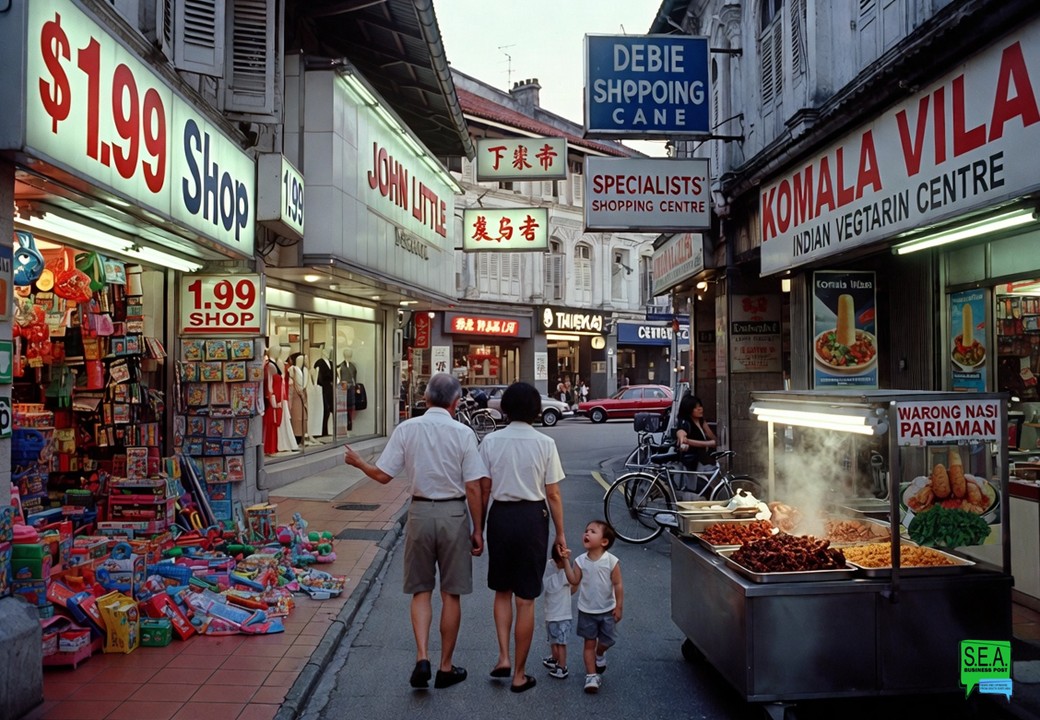
Adding to the wave of closures is Warong Nasi Pariaman, a nasi padang institution that had been serving delicious Malay dishes since 1948. Located in the heart of Kampong Glam, Warong Nasi Pariaman was more than just a restaurant; it was a beloved cultural icon that had become part of the fabric of Singapore’s food scene. However, in January 2026, the restaurant announced it would close its doors for good, leaving many longtime customers heartbroken. The restaurant had been a favorite spot for generations, and its closure is a significant loss to the heritage food landscape in Singapore.
Tiong Bahru Galicier Pastry: A Taste of Old Singapore
The closure of Tiong Bahru Galicier Pastry, a bakery that had been serving traditional kueh in the Tiong Bahru neighborhood since 1983, is another example of a business that has bid farewell to the community. The bakery had become a beloved part of the local food scene, offering pastries that many Singaporeans grew up with. Yet, in 2022, the business closed, signaling a trend of traditional bakeries facing tough competition from modern food concepts and the rising cost of maintaining heritage businesses. These closures speak to the challenges that family-run establishments face as they struggle to survive amidst rising operational costs and changing consumer demands.
Not Just F&B: The Closure of Iconic Retail Spaces
It is not only food businesses that are struggling to stay afloat. Specialist’s Shopping Centre, one of Orchard Road’s oldest malls, was demolished in 2007 to make way for new developments, marking the end of an era for Singapore’s retail scene. Similarly, John Little, one of Singapore’s oldest department stores, closed its doors in 2016 after 171 years of operation. While John Little had a loyal customer base, it could not compete with the rise of modern shopping malls and the growing dominance of e-commerce. The loss of such institutions marks a shift in the way Singaporeans experience retail and highlights the rapid transformation of the country’s shopping landscape.
A Special Mention: The $1.99 Shop
Another example of a long-standing retail icon that has disappeared is the $1.99 Shop, a familiar sight to many Singaporeans over the years. The store was known for offering affordable items, making it a favorite among shoppers looking for budget-friendly options. However, it closed down in 2022, further illustrating the difficulty of sustaining low-cost, high-volume retail businesses in the current market.
Why Heritage Businesses Are Closing
There are several key reasons why these beloved heritage businesses are disappearing from the Singaporean landscape. The increasing cost of rent, labor, and operating expenses has made it difficult for small businesses to stay afloat. Modern consumers are increasingly turning to online shopping and international brands, which offer convenience and variety. The rise of e-commerce has made it harder for physical stores to attract foot traffic, especially for businesses that rely on niche or specialized products. Additionally, many heritage businesses are family-owned, and without clear succession plans, they often close when the owners retire or pass on.
A Shift in the Landscape: Embracing Change
While it’s easy to feel nostalgic and even alarmed by these closures, it’s important to understand that change is inevitable. The landscape of Singapore’s retail, food, and service industries is evolving to keep pace with technological advances, shifting consumer preferences, and the global economy. While we bid farewell to these long-standing businesses, we should not see their closure as a sign of decline but rather as part of the natural cycle of growth and innovation.
In many ways, these closures also open up opportunities for new businesses to emerge, bringing fresh ideas and experiences to the table. The closure of heritage businesses does not erase their legacy; instead, it makes space for new ventures that can build on the rich cultural foundation left by these icons. Moreover, the government and various organizations are investing in initiatives to support small businesses and encourage innovation, ensuring that Singapore remains a dynamic hub for entrepreneurship and creativity.
The End of an Era, or a New Beginning?
The closure of heritage businesses like FoodXervices, Warong Nasi Pariaman, and others is a reminder of how far Singapore has come and the continuous evolution of its economy. While these losses are significant, they also reflect the resilience and adaptability of Singaporeans, who will continue to create new legacies in the years to come. The challenge for us is to embrace this change, celebrate the heritage that shaped us, and look forward to what the future holds.