









Unilever Astonishingly Abandons Indonesian Tea in Strategic Shift
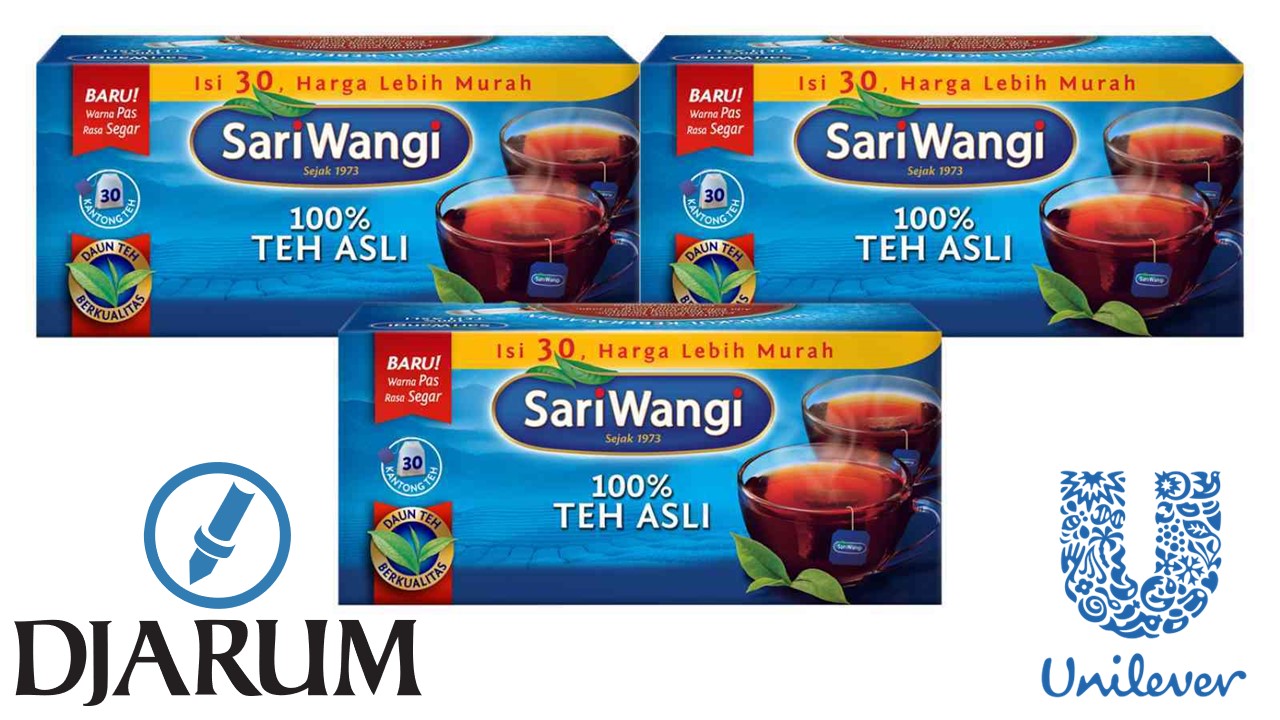
Unilever Indonesia has agreed to sell its Indonesian tea business, anchored by the long-running Sariwangi brand, to PT Savoria Kreasi Rasa, a unit of the Djarum Group, for 1.5 trillion rupiah. The move marks another decisive step in Unilever’s effort to retreat from lower-growth segments and refocus its Indonesian operations on categories with stronger commercial momentum.
The transaction, expected to close in early 2026, highlights how global consumer goods companies are reassessing their presence in Southeast Asia’s most competitive FMCG market, where scale alone no longer guarantees returns.
From Household Staple to Strategic Exit
Sariwangi occupies a distinctive position in Indonesia’s consumer history. Acquired by Unilever in 1989, the brand helped introduce tea bags to millions of households and became synonymous with daily tea consumption across the country. For decades, it delivered steady volumes and broad market reach.
Yet stability has increasingly worked against the category. Tea has offered limited pricing power, modest innovation potential, and slower growth compared with adjacent segments. In recent financial periods, Unilever Indonesia’s tea business contributed less than three percent of total revenue and net profit, making it strategically peripheral within a portfolio under pressure to perform.
Selling the unit allows Unilever to monetise a mature asset while avoiding further capital allocation to a segment with constrained upside.
Portfolio Discipline Takes Priority
Unilever has framed the divestment as part of a disciplined portfolio optimisation strategy. By narrowing its focus to fewer, higher-return categories such as personal care, home care, and packaged foods, the company aims to protect margins and improve capital efficiency in a volatile operating environment.
Indonesia’s FMCG sector has become increasingly unforgiving. Rising input costs, shifting consumer preferences, and aggressive local competitors have compressed margins, particularly in mass-market food and beverage categories. Against this backdrop, Unilever’s decision to exit tea follows its earlier disposal of its ice cream business, reinforcing a clear pattern of retrenchment rather than expansion.
For investors, the sale signals management’s willingness to make difficult choices to preserve long-term value, even at the cost of parting with legacy brands.
Djarum’s Bet on Local Control
For the Djarum Group, acquiring Sariwangi represents a calculated expansion of its consumer portfolio. Through Savoria Kreasi Rasa, the conglomerate has been building a presence across food and beverage categories, leveraging its extensive distribution reach and deep understanding of domestic consumption patterns.
Sariwangi offers immediate brand equity and nationwide penetration, assets that would be costly and time-consuming to replicate. Under local ownership, the brand may benefit from faster decision-making, more targeted pricing strategies, and product development tailored specifically to Indonesian tastes.
Market observers note that local groups often operate with longer investment horizons than multinationals, allowing them to extract value from stable but slower-growth categories.
Governance Overhang Draws Attention
The deal also unfolds amid heightened scrutiny of the founding family of the Djarum brand, the Hartono family. Indonesian authorities have confirmed that the passport of a son of one of the brothers who control the group has been temporarily held as part of an ongoing legal process. The matter has been described as personal and unrelated to Djarum’s corporate operations or its consumer goods subsidiaries.
While the issue does not directly affect the Sariwangi acquisition, analysts say such developments can influence market perception in Indonesia, where governance standards and regulatory certainty are closely monitored. Corporate buyers are increasingly aware that reputational considerations can shape investor sentiment even when operational fundamentals remain intact.
Shifting Competitive Lines in FMCG
The Unilever transaction reflects a broader realignment underway in Indonesia’s consumer goods sector. Multinationals are narrowing their focus to defend profitability, while domestic conglomerates are stepping in to acquire established brands that still command loyalty but no longer fit global growth narratives.
Tea consumption remains widespread, but the category faces structural headwinds from alternative beverages, changing lifestyles, and limited premiumisation opportunities. These dynamics make tea less attractive to global players chasing faster growth, while remaining commercially viable for local owners with efficient cost structures.
A Clear Signal to the Market
Unilever’s exit from Indonesian tea sends a clear message about its priorities in Southeast Asia. Scale and heritage are no longer sufficient to justify continued ownership if growth and margins fall short of internal benchmarks.
At the same time, Djarum’s acquisition underscores the growing confidence of Indonesian conglomerates to absorb and manage iconic brands once held by multinationals. The Sariwangi deal illustrates how strategic retrenchment on one side is creating opportunity on the other, reshaping the balance of power in Indonesia’s FMCG landscape.