





Massive Johor Royal Land Deal Sparks Scandalous Debate
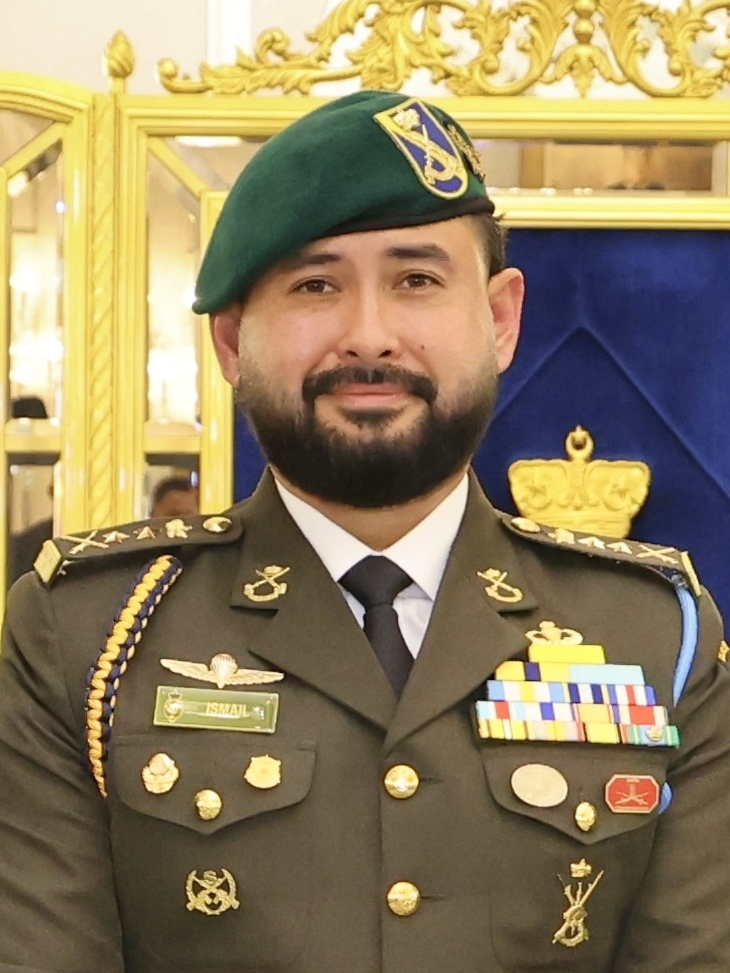
The Regent of Johor, Tunku Ismail Sultan Ibrahim, has announced his intention to sell a vast tract of prime land in Singapore, a move that could alter the financial profile of the Johor royal family. The parcel lies near the Botanic Gardens and has been valued at more than S$3.5 billion. If completed, the deal would be among the largest property transactions in Singapore’s history involving a foreign royal household.
The land swap that changed Johor’s fortunes
For decades, the land at Tyersall Park and around Istana Woodneuk carried little commercial value despite its prime location. Its proximity to the Botanic Gardens, which holds UNESCO World Heritage status, meant development was nearly impossible. Planning restrictions and conservation sensitivities kept the land frozen in time, leaving the Regent unable to monetise what should have been a prized holding.
That changed in June 2025 when a land swap was struck with Singapore’s authorities. The Regent agreed to cede thirteen hectares abutting the Botanic Gardens and, in return, received an alternative plot nearby. This realignment removed the most sensitive land from his portfolio and transferred to him parcels that could be sold or developed without heritage objections. The agreement transformed a symbolic asset into one that could be readily marketed.
The potential windfall
Analysts value the land at S$3.5 billion, which equates to roughly US$2.7 billion. The Johor Regent faces a choice between a full sale for immediate liquidity or a joint venture with developers for recurring income. Even a partial divestment would unlock unprecedented sums for the Johor royal family. In Singapore’s competitive property market, the Regent now holds one of the most intriguing assets, free from the conservation shadows that once blocked its use.
Other property ventures
The Johor Regent’s ambitions extend beyond Singapore. In Johor itself, he has pursued high profile land developments including a partnership near Berjaya Waterfront at Stulang with businessman Peter Lim. In Desaru, Lim’s RSP Architects were commissioned to design a 27-hectare royal estate with villas, guest houses, sports facilities, and an underground armoury. These projects highlight a broader trend of converting legacy land into lucrative developments, often linked to cross border investors from Singapore. Together, the waterfront and Desaru initiatives underscore the appetite for premium real estate tied to the Johor crown.
Diplomacy and honours
The land swap cannot be separated from the politics of Johor’s relationship with Singapore. In May 2022, the Sultan of Johor awarded Prime Minister Lee Hsien Loong the title of Grand Commander of the Order of the Crown of Johor. On the same day, his wife Ho Ching received the Grand Commander of the Order of Sultan Ibrahim, becoming the first Singaporean to do so. These honours were portrayed as gestures of friendship but also carried deeper strategic meaning.
Three years later, the land swap emerged. Singapore secured protection for the Botanic Gardens while the Johor Regent gained freedom to sell or develop his parcel. The timing raises the possibility that symbolic diplomacy helped pave the way for a deal that unlocked billions in potential wealth.
Wealth and estimates
According to Bloomberg estimates published in 2024, the Johor royal family controls assets worth about US$5.7 billion. These estimates cannot be independently verified, as no public financial statements exist to confirm the scale of their holdings. The valuation includes land in Singapore, property in Johor, and other business interests. If the Regent proceeds with the land sale, it could push the Johor family further into the ranks of Malaysia’s wealthiest power brokers, though the true financial impact remains uncertain.
Public scrutiny and questions ahead
Malaysian netizens may soon ask difficult questions. Why should royals be allowed to hoard such wealth while ordinary Malaysians struggle with rising costs of living? What relevance do hereditary rulers hold in a modern economy if their fortunes surpass those of corporate tycoons? Are they paying the same taxes as other citizens on these assets, or are exemptions quietly maintained? And if such vast wealth exists, should members of the Johor household still be drawing allowances or salaries from the government?
These questions gain urgency because with this land and current assets the Johor royal family could easily become the richest in Malaysia. The Regent’s decision to sell has already changed perceptions. It has shifted Johor’s Sultanate from symbolic custodian of heritage lands into an active player in billion-dollar real estate. What lies ahead will determine whether Malaysians see this as a proud moment of royal success or a flashpoint for renewed debate about the role of monarchy in national life.