







Massive Acceleration of Data Centre Projects as Digital Demand Grows in the Philippines
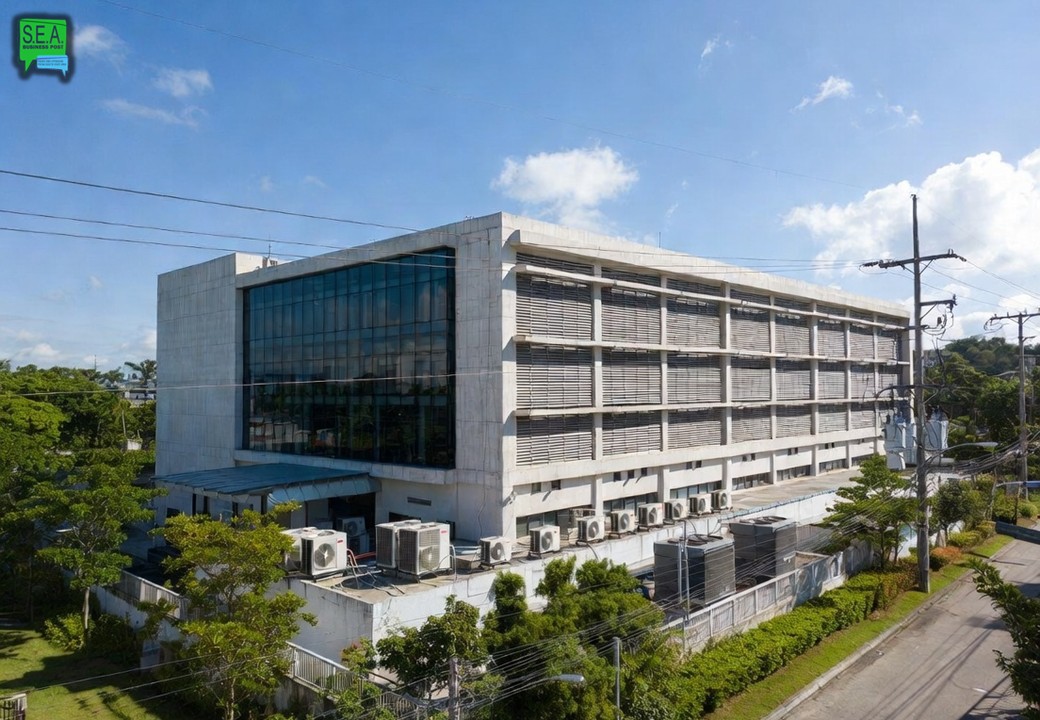
The Philippines is emerging as one of Southeast Asia’s faster-growing data centre markets, supported by rising cloud adoption, enterprise digitalisation, and expanding demand for data localisation. As financial services, telecommunications, e-commerce, and government agencies migrate critical workloads to digital platforms, data centres are increasingly treated as core national infrastructure rather than peripheral assets.
Over the past several years, investor interest has intensified, positioning the Philippines as a secondary regional hub that complements more established markets such as Singapore. While the country remains smaller in absolute capacity, the scale of announced projects signals growing confidence in long-term demand. Currently, the Philippines hosts 32 data centres.
Hyperscale and Large-Capacity Projects
Several large developments are reshaping the domestic data centre landscape. PLDT Inc., through its VITRO subsidiary, is leading capacity expansion with plans for a 100-megawatt data centre in Cavite, to be delivered in phases beginning in the mid-2020s. Once fully built, the facility would rank among the largest in the Philippines and anchor PLDT’s ambition to significantly scale its data centre footprint.
Another major project is the Narra Technology Park in New Clark City, envisioned as a hyperscale campus capable of hosting multiple global cloud and internet firms. The project leverages Clark’s industrial land availability, transport infrastructure, and growing connectivity ecosystem. Foreign-backed operators such as Digital Edge, SpaceDC, and ST Telemedia Global Data Centres have also committed to new facilities, reflecting international appetite for capacity diversification beyond traditional regional hubs.
Geographic Expansion Beyond Metro Manila
Metro Manila remains the country’s primary data centre cluster, but capacity growth is spreading to surrounding provinces such as Cavite, Laguna, and Pampanga, as well as to secondary cities like Cebu. These locations offer lower land costs, reduced congestion, and greater flexibility for large campus-style developments.
Clark has emerged as a particularly attractive alternative site. Its special economic zone status, proximity to airports and expressways, and integration into national development plans have strengthened its appeal for hyperscale operators seeking scale and redundancy outside the capital.
Power Costs and Structural Constraints
Despite strong demand, the Philippine data centre market faces persistent structural challenges. Electricity prices remain among the highest in Southeast Asia, raising operating costs for energy-intensive facilities. Grid reliability also varies outside major urban centres, requiring developers to invest heavily in backup power, cooling redundancy, and energy management systems.
As a result, power availability and pricing have become central considerations in site selection. Developers increasingly factor in access to renewable energy, long-term supply contracts, and the ability to deploy on-site generation to manage cost and reliability risks.
The Bataan Nuclear Power Plant Conversion Proposal
Alongside greenfield developments, policymakers are exploring the repurposing of legacy infrastructure. The Department of Information and Communications Technology is studying the feasibility of converting the mothballed Bataan Nuclear Power Plant into a hyperscale data centre hub. Supporters argue that the site’s robust structural design, heavy-duty infrastructure, and freeport location could support large-scale digital operations. While still at the feasibility stage, the proposal reflects a broader effort to transform underutilised national assets into productive components of the digital economy.
Energy Availability and Sustainability Concerns
The BNPP proposal has intensified questions about whether the Philippines can reliably power a rapidly expanding data centre sector. Data centres require continuous, high-quality electricity supply, often at a scale comparable to industrial facilities. With the national grid already under pressure during peak demand periods, concerns persist over whether generation capacity and transmission infrastructure can keep pace with rising digital demand.
Without coordinated planning that links data centre approvals to new power generation, particularly renewable capacity, large-scale expansion risks worsening supply constraints. Energy availability may ultimately determine the pace and geographic distribution of future data centre investment.
Strategic Outlook
Data centre investment in the Philippines is moving from niche to mainstream. Large committed projects, growing foreign participation, and policy recognition of digital infrastructure signal a structural shift in the economy. The decisive factor now is execution. Energy planning, regulatory certainty, and grid reliability will determine whether the Philippines can convert announced projects into sustained competitive advantage or whether infrastructure bottlenecks will limit growth.