








Massive Retail Expansion & Positive Growth: MR DIY Opens its 1200th Store in Indonesia
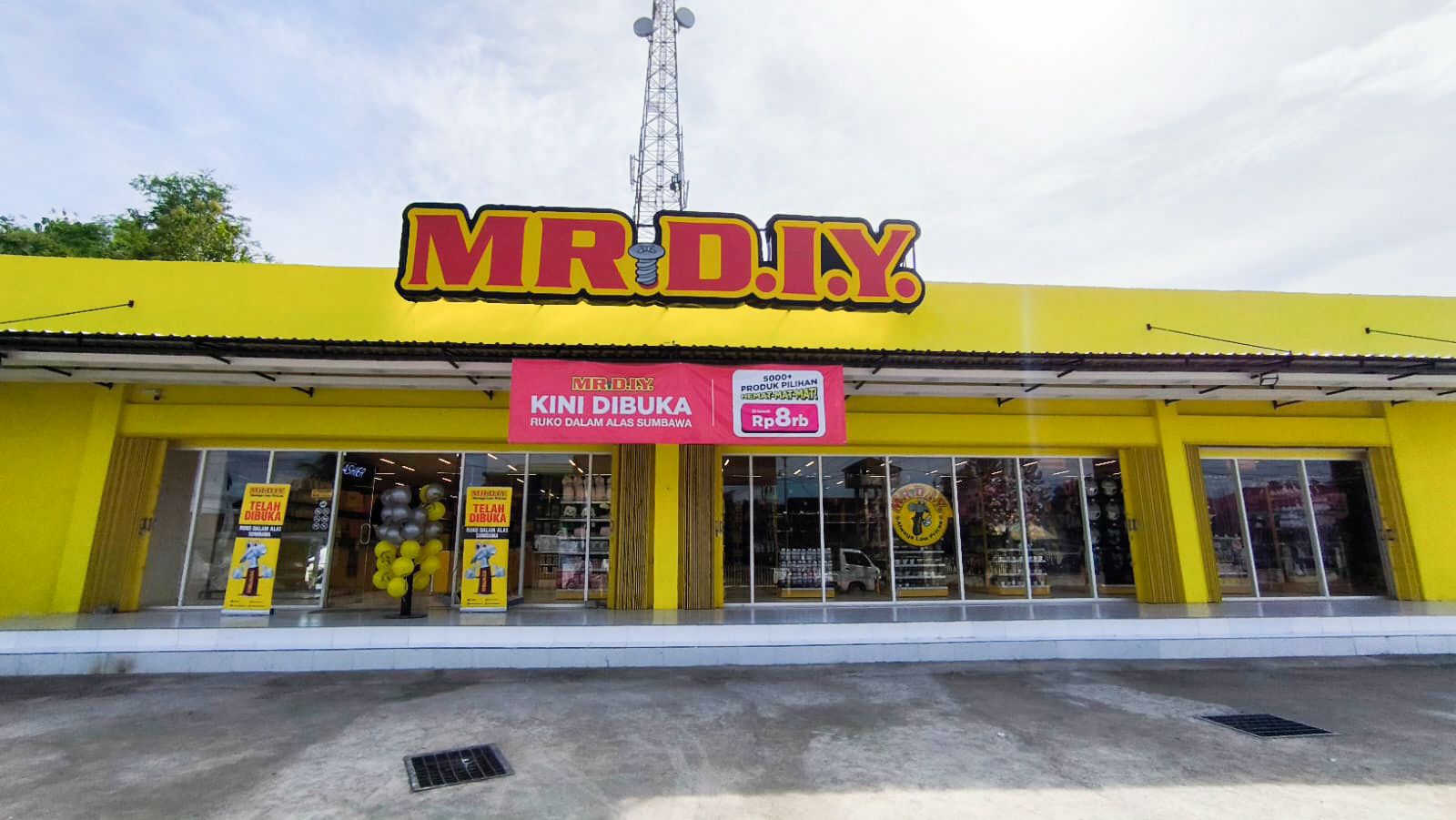
MR DIY has opened its 1,200th store in Indonesia, marking a significant milestone in the country’s fast-evolving value retail sector. The achievement highlights how quickly organised non-food retail has expanded beyond major urban centres into smaller population centres where modern retail penetration remains uneven and opportunities for growth are still strong. For MR DIY, store count is not a symbolic metric but a structural advantage tied to pricing, inventory turnover, and procurement leverage that together shape competitive positioning in a crowded retail environment.
Expansion beyond tier one cities
Since entering Indonesia in 2017, MR DIY has pursued a standardised rollout strategy across shopping malls, neighbourhood commercial hubs, and suburban retail zones. The company’s low-price, high-volume model has resonated with Indonesian consumers, particularly for household goods, home improvement products, and lifestyle items. By extending its footprint into tier two and tier three cities, MR DIY has managed to capture demand in areas that larger international competitors may have overlooked. The latest store opening reflects an increasingly sophisticated logistical network that can support a wide geographic footprint in an archipelagic market known for distribution challenges.
Scale as an operating advantage
Scale is central to value retail economics. As MR DIY’s network expands, bulk procurement and centralised sourcing support lower landed costs and sharper pricing. With 1,200 stores, the company also gains richer data on product performance across regions, enhancing assortment planning and inventory forecasting. Fixed costs are spread over a larger base, while brand recognition grows with each new outlet. These structural benefits are difficult for smaller independents to replicate, particularly where national distribution is costly or fragmented. The expanded network also allows MR DIY to negotiate better terms with suppliers and improve its competitive resilience.
The history behind the brand
MR DIY was founded in Malaysia in 2005 by brothers Tan Yu Yeh and Tan Yu Wei as a single home improvement and hardware retail outlet. Over time, it refined a replicated store format that prioritised affordability, broad product mix, and customer convenience. The concept proved successful, leading to rapid store expansion across Malaysia and eventually into overseas markets. Today, the MR DIY brand operates thousands of locations across multiple countries in Asia and Europe, building on its origins as a local retail model that tapped into everyday consumer needs. CNBC Indonesia+1
Malaysian roots and the group listing
Despite its extensive Indonesian footprint, MR DIY remains fundamentally a Malaysian company. The group operates under MR D.I.Y. Group (M) Berhad, which completed its group-level initial public offering on Bursa Malaysia in 2021. That Malaysian listing provided access to institutional capital and a platform to fund expansion across Southeast Asia and beyond. Corporate decision-making, brand management, and core procurement functions remain anchored in Malaysia, ensuring a structured and coordinated approach to overseas growth as the retail network continues to expand.
Leadership and strategic direction
Leadership has played a key role in MR DIY’s expansion. The group’s Chief Executive Officer, Adrian Ong, has served in that position since 2019 and also holds key roles overseeing strategy and governance in regional subsidiaries. Under his stewardship, MR DIY has pursued aggressive yet disciplined expansion backed by data-driven merchandising and cost management. In Indonesia, MR DIY’s direct operations are overseen by a local leadership team including President Director Edwin Cheah Yew Hong and Commissioner Adrian Ong in supervisory roles, reflecting a blend of local execution and group oversight. Maxis+1
Indonesia’s local listing and capital alignment
Alongside the Malaysian listing, MR DIY pursued a separate initial public offering in Indonesia through its operating subsidiary, PT Daya Intiguna Yasa Tbk, which listed on the Indonesia Stock Exchange in late 2024. The local IPO allowed MR DIY to raise domestic capital to support store expansion and working capital needs specifically linked to the Indonesian market. The dual listing structure aligns funding with the locations where growth is fastest while preserving group-wide strategic coherence.
Competitive implications and execution risk
The 1,200th store milestone raises questions about sustainability as well as scale. As MR DIY increases store density, risks emerge around cannibalisation, staffing quality, and inventory discipline. The company must balance expansion with consistent profitability and service standards. However, its scale also functions as a defensive asset. MR DIY’s purchasing power and pricing flexibility place pressure on smaller household goods retailers that lack similar breadth or national distribution networks, particularly in secondary cities where organised retail competition is less entrenched.
What comes next
For MR DIY, the next phase will test execution as much as ambition. Investors and market watchers will focus on same-store sales growth, margin stability, and supply chain resilience as the store base becomes larger. The 1,200th outlet confirms market acceptance, but converting that scale into durable financial performance will determine MR DIY’s long-term position in Indonesia’s dynamic retail economy.