







The War in Iran and the Global Oil Shock: Southeast Asia’s Struggle with Energy Costs
The ongoing conflict in Iran has created a ripple effect across global energy markets, driving up oil prices and shaking the economic stability of regions dependent on imported crude oil. Southeast Asia, home to rapidly developing economies like the Philippines, Thailand, Vietnam, and Indonesia, is now feeling the brunt of these energy price surges. Governments in the region are scrambling to cope with the fiscal strain brought about by higher fuel costs and inflation, while simultaneously grappling with slower growth. Amid this crisis, many Southeast Asian nations are turning to energy-saving measures like four-day work weeks, remote work, and carpooling campaigns to help mitigate the impact.
The Catalyst: The War in Iran
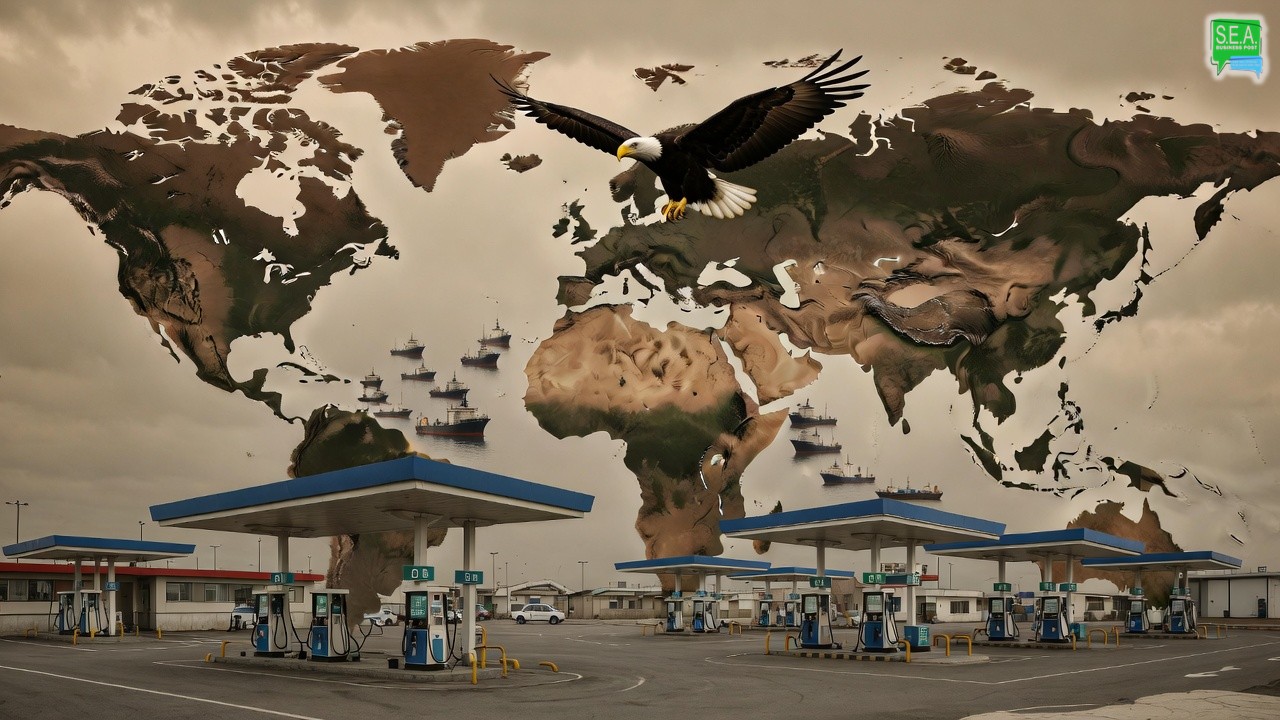
The war in Iran has disrupted one of the most critical oil chokepoints in the world, the Strait of Hormuz, through which approximately 20% of global oil trade flows. The United States has imposed sanctions on Iran, and the geopolitical tensions surrounding the conflict have caused instability in the region. As a result, global oil prices have surged to levels not seen in years, straining the budgets of many oil-importing countries in Southeast Asia.
A Region Dependent on Imported Crude
Countries in Southeast Asia, particularly those like the Philippines, Thailand, Vietnam, and Indonesia, are highly dependent on imported crude oil to meet their energy needs. The soaring prices are having significant fiscal implications, as these nations not only face increased costs for energy but also feel pressure to continue subsidizing fuel prices for their citizens. These subsidies, designed to cushion the impact of rising fuel prices, are becoming unsustainable as the global price of oil continues to climb. At the same time, high fuel prices are feeding into inflation, further exacerbating the cost of living for average citizens.
For countries like the Philippines, which imports about 80% of its oil, the oil price surge is putting tremendous pressure on the government’s ability to maintain economic stability. Vietnam and Indonesia are similarly vulnerable, with households already facing the strain of high consumer debt and limited fiscal space to buffer the economic shock.
The Fiscal Strain and Inflation
Southeast Asian governments are increasingly finding themselves trapped between fuel subsidies and inflation control. In an effort to support their economies and avoid exacerbating inflation, these governments have been reluctant to drastically cut interest rates or ease monetary policy, despite the slower growth prospects caused by the higher cost of energy. Central banks in countries such as Indonesia, the Philippines, and Thailand are grappling with this very dilemma, where cutting interest rates could support economic growth but risk fueling even higher inflation due to the spike in energy prices.
In addition to the broader macroeconomic challenges, household debt in the region has been rising, especially in emerging markets like Vietnam and the Philippines. As a result, consumers are already overburdened with debt payments, and the higher cost of living driven by rising energy costs is adding to their financial distress.
Energy-Saving Measures
In an attempt to mitigate the energy crisis and reduce dependence on expensive imported oil, governments across the region are implementing energy-saving measures. These measures not only aim to curb demand for oil but also to reduce national energy consumption in the face of high prices.
One of the most notable strategies is the adoption of a four-day work week in several countries. This policy is being tested in places like Thailand and Vietnam, where it is seen as a way to reduce energy consumption by cutting down on office heating, cooling, and commuting. Remote work is another widely encouraged option, reducing the need for people to commute long distances, which in turn lowers fuel consumption and lessens the strain on the energy grid.
Additionally, the government is pushing for carpooling campaigns, especially in urban areas like Manila and Bangkok, where traffic congestion leads to high levels of fuel consumption. By encouraging citizens to share rides, Southeast Asian countries hope to reduce the individual energy footprint and lower overall demand for gasoline.
Long-Term Solutions and Energy Transition
While these energy-saving measures provide short-term relief, the real challenge lies in transitioning to a more sustainable and self-sufficient energy future. Countries like Indonesia and Thailand are investing in renewable energy, including solar and wind power, in hopes of diversifying their energy sources and reducing their reliance on imported oil. However, this transition is costly and will take years to implement on a large scale.
In the short term, the region remains vulnerable to geopolitical events that disrupt global oil prices. For Southeast Asia to avoid repeated energy crises, governments will need to consider long-term energy independence as a key goal. This involves not only diversifying energy sources but also fostering energy efficiency in industrial and consumer sectors.
Economic Resilience Under Strain
As the war in Iran continues to impact global oil markets, Southeast Asia is navigating a tough economic landscape. The region’s dependency on imported oil, fiscal pressure from fuel subsidies, and rising inflation are complicating efforts to maintain economic growth. Energy-saving measures like four-day work weeks and remote work are helpful but only provide temporary relief. In the long run, Southeast Asia must focus on energy diversification and sustainability to safeguard against future oil price shocks and ensure stable growth.
As the situation evolves, Southeast Asian governments will need to strike a delicate balance between supporting their citizens through subsidies and taking measures to reduce their reliance on volatile oil imports. The region’s future energy policy could well define its economic trajectory for decades to come.