






Malaysia’s Capital Market Masterplan 2026–2030 (CMP4): Big Ambitious Plans or Financial Mirage?
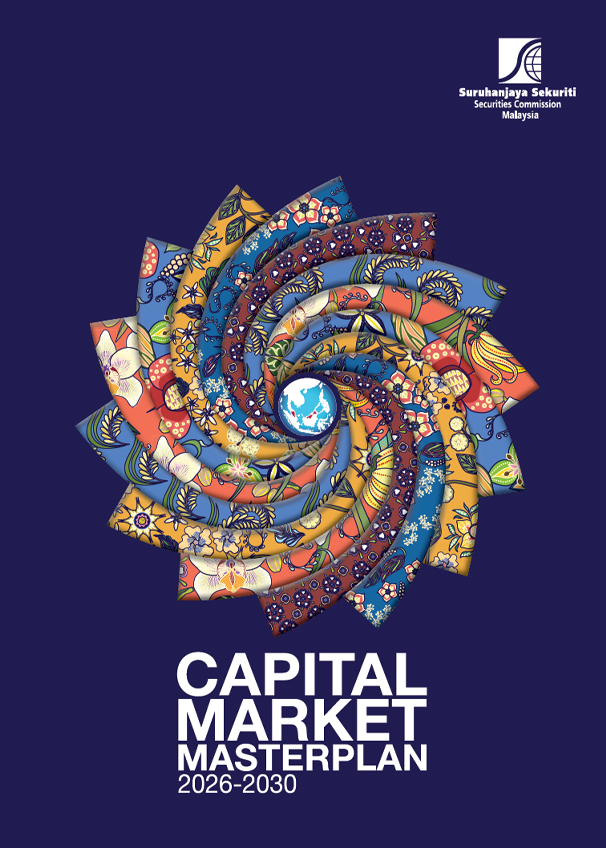
In March 2026, Malaysia’s Securities Commission launched its Capital Market Masterplan 2026–2030 (CMP4), a bold strategic framework designed to transform the country’s financial landscape. Presented by Prime Minister Dato’ Seri Anwar Ibrahim, the plan sets ambitious targets to grow Malaysia’s capital market from RM4.3 trillion in 2025 to RM5.8 trillion to RM6.3 trillion by 2030. The overarching goal is to propel Malaysia into the future of finance, aiming for a RM20 trillion market by 2045. This vision includes deepening market participation, fostering a sustainable finance ecosystem, and positioning Malaysia as a leader in the ASEAN region.
However, as the plan unfolds, the criticism is mounting, raising questions about whether the Capital Market Masterplan can overcome deep-rooted challenges and deliver on its promises. Despite its lofty ambitions, Malaysia faces significant hurdles, ranging from internal political conflicts to the global economic landscape, as well as historical concerns regarding the government’s track record of reform.
The Plans: Ambition for a Thriving Financial Market
The CMP4 outlines several core priorities aimed at reshaping Malaysia’s financial sector. It emphasizes expanding access to capital markets for retail investors, SMEs, and underserved communities, ensuring that ordinary Malaysians can participate in the economic growth of the country. A significant part of the plan is to position Malaysia as a leader in sustainable finance. The masterplan envisions Malaysia becoming an ASEAN leader in green finance, with a strong focus on green bonds and sustainable investments.
The government aims to foster a robust green finance market that attracts global capital. Another priority is regional integration through closer cooperation with ASEAN capital markets, enhancing cross-border investments, and fostering regional economic cooperation. Lastly, technological and financial innovation will play a pivotal role, with the plan aiming to leverage fintech and digital transformation to create a more inclusive, efficient, and transparent market. These goals are all tied to Malaysia’s ambition to become a regional capital markets hub, attracting both local and international investors to help expand and diversify the economy.
Criticism: Ambitious Plans vs. Execution Risks
Despite the ambitious goals of CMP4, skepticism remains about the execution of these plans. Some of the criticisms that have emerged include concerns over the feasibility of the targets, particularly the ambitious growth projections for Malaysia’s capital market. The CMP4 aims to grow the market from RM4.3 trillion to RM6.3 trillion by 2030, a goal some critics consider overly optimistic.
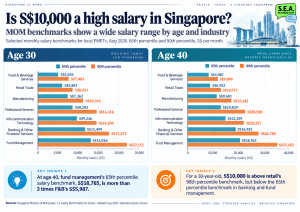
In recent years, Malaysia has struggled with slow growth in foreign investment and retail participation, and without addressing underlying issues like market liquidity and investor confidence, the growth targets could prove difficult to achieve. Furthermore, Malaysia’s capital market is considered less liquid compared to regional rivals like Singapore.
Critics argue that the financial ecosystem’s structural weaknesses, such as low investor confidence and concentration of wealth in a few large companies, could limit the plan’s success. There are also concerns about the ringgit’s strength. A stronger ringgit could hurt Malaysia’s export industries by making Malaysian products more expensive on the global market. While CMP4 aims to boost the financial sector, these structural challenges may remain unresolved, leading to slower growth in the real economy.
Perhaps the most significant concern is the internal political conflicts that could undermine the implementation of the plan. Anwar Ibrahim’s administration is embroiled in tensions with key figures like Rafizi Ramli, Malaysia’s Economic Minister. The recent scrutiny of Rafizi’s former personal assistant by the Malaysian Anti-Corruption Commission (MACC) has raised questions about the administration’s commitment to anti-corruption and institutional reform. The lack of political unity within the ruling coalition could lead to policy inconsistencies and delays in executing the ambitious goals of CMP4.
Why Challenge Singapore? Shouldn’t Malaysia Focus on Its Own Strengths?
Another criticism of the CMP4 is its focus on challenging Singapore, rather than leveraging Malaysia’s own strengths. While Singapore is already a financial powerhouse in the region, Malaysia seems to be aiming to replicate its success without fully recognizing its unique position. Singapore has long been a global financial hub with clear regulations, a stable economy, and a robust legal framework. Malaysia’s capital markets, by contrast, face challenges in transparency and governance that could make it hard to directly compete with Singapore’s established financial infrastructure.
Malaysia’s focus should instead be on its existing strengths in sectors like green finance, sustainable agriculture, and digital economy innovation. Rather than trying to directly challenge Singapore, Malaysia could focus on building niche markets where it can be a regional leader, like green bonds or Islamic finance. By focusing on what makes Malaysia unique, the country could build a more resilient and diversified economy that doesn’t rely on direct competition with its more financially developed neighbors.
The Track Record of Promises: Can We Trust the CMP4?
Looking back at Anwar Ibrahim’s political career, there are plenty of unfulfilled promises that make many skeptics wonder whether CMP4 will follow the same path as past initiatives. During the 2018 general election, Anwar and his coalition partners promised structural reforms, anti-corruption measures, and economic overhaul. However, many of these promises were left unfulfilled, primarily due to the political instability that followed. Key promises on fighting corruption, reducing income inequality, and reforming the economy were delayed or compromised as Malaysia’s political landscape became more fragmented.
Since becoming Prime Minister, Anwar has spoken frequently about building a “new economy”, but critics argue that his economic agenda often feels disconnected from reality. Like previous administrations, Anwar’s government has faced accusations of cronyism and patronage, leading to doubts about whether real reform is possible in such a politically charged environment. The CMP4 may be just another promise that looks good on paper but falls short in terms of execution, especially if the political infighting continues.
Conclusion: Will This Be Another Unfulfilled Promise?
The Capital Market Masterplan 2026–2030 presents an ambitious vision for Malaysia’s future, with bold goals and strategic objectives. However, the historical track record of unfulfilled promises, coupled with the internal political conflicts and structural challenges facing Malaysia’s economy, casts doubt on whether CMP4 will deliver the transformative results it promises. If Malaysia cannot address key issues like political stability, market liquidity, and currency volatility, then CMP4 risks being just another unrealized vision, much like previous promises made during electoral cycles. While the plan has potential, successful execution will depend on real governance reforms, a cohesive political strategy, and effective policymaking that aligns the country’s financial ambitions with its economic reality.
Until these foundational issues are addressed, the CMP4 will remain an ambitious hope — but without the certainty of deliverability. Just like previous manifestos, it may turn out to be another promise that never quite materializes into real, lasting change.