




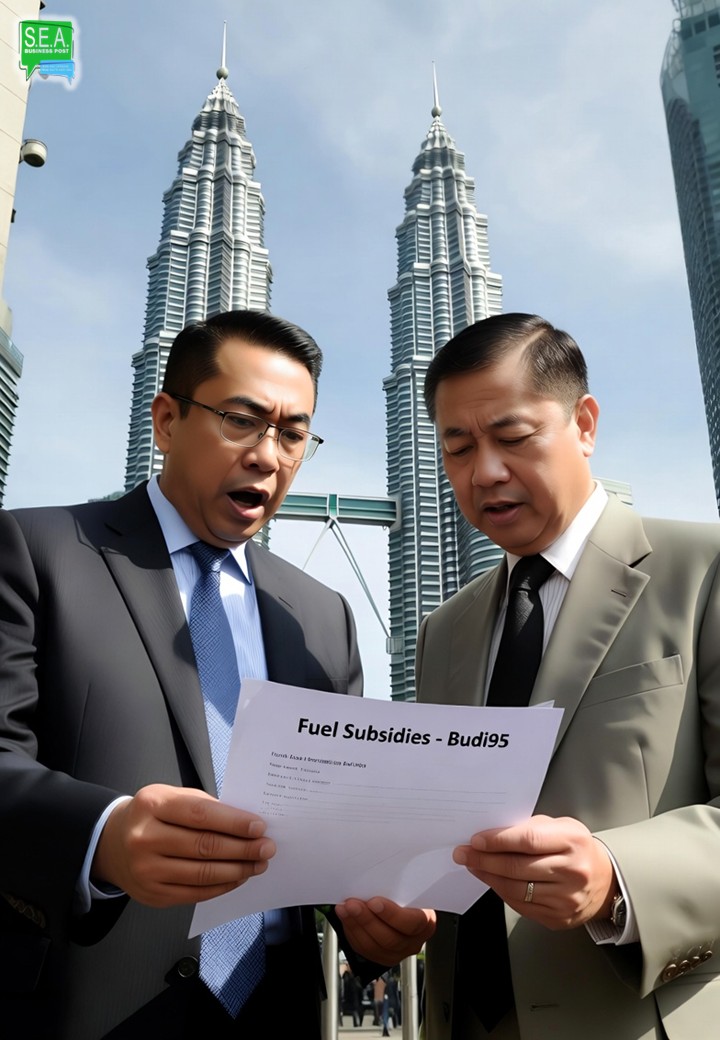
Iran War Oil Crisis Gives Anwar a Massive Shock at Malaysia Fuel Subsidy Bill
Malaysia’s fuel subsidy bill has skyrocketed from RM700 million to RM3.2 billion in just a few days. This fourfold increase has been driven by the Iranian conflict and disruptions in the Strait of Hormuz, a critical oil passage that carries about 20% of the world’s oil. With oil prices surging from US$70 to nearly US$120 per barrel, the Malaysian government is now grappling with a massive fiscal burden. Prime Minister Anwar Ibrahim, who inherited this crisis, now finds himself in the same position Najib Razak once faced the challenge of managing subsidy reforms amid volatile global oil prices. Looking back, Anwar may come to understand why Najib’s fuel subsidy cuts were a necessary move for Malaysia’s long-term fiscal health.
Why Malaysia Still Imports Oil Despite Being an Oil Producer
Malaysia is an oil-producing country, but it still relies heavily on imported crude. The reason lies in Malaysia’s refining infrastructure and the types of crude it produces. Malaysia primarily produces light, sweet crude, including the highly sought-after Tapis Blend. Tapis Blend, with its low sulfur content, is a high-quality crude that is exported at a premium. However, Malaysia’s domestic refineries are designed to process a mix of crude, including heavier sour crude, which is cheaper to buy but more expensive to refine. Despite Malaysia’s production of light crude, the country still imports heavier crude and refined oil to meet domestic needs. This reliance on both imported crude and refined fuel makes Malaysia vulnerable to price fluctuations, as seen today.
The rise in global oil prices, driven by geopolitical instability, has pushed the cost of RON95 petrol and diesel much higher, placing a heavy burden on the government’s budget. The government has to cover the difference between the global market price and what consumers pay, leading to a sharp increase in the fuel subsidy bill. With Anwar’s government now in power, it must decide how to handle the growing fiscal pressure while ensuring fuel remains affordable for Malaysians.
What Will Happen Next?
As global oil prices continue to fluctuate, Malaysia’s fuel subsidy bill will likely remain elevated. The Iranian conflict and disruptions in the Strait of Hormuz are likely to keep global prices high. This leaves Anwar’s government with two options: either reduce the subsidies and pass the costs onto consumers or continue absorbing the increased fuel prices, risking further fiscal strain. With the cost of subsidies outpacing the national budget, it’s likely that Anwar will need to target subsidies more effectively to minimize the impact on low-income groups while allowing market forces to determine prices for higher-income consumers.
Anwar now faces the same dilemma that Najib Razak confronted back in 2014, when he reduced fuel subsidies to address Malaysia’s growing budget deficit. At the time, the opposition, including Rafizi Ramli, fiercely criticized Najib’s actions, arguing that cutting subsidies would burden the rakyat and increase the cost of living. Now, as Anwar’s government faces similar fiscal challenges, he may begin to understand the reasoning behind Najib’s actions.
Najib’s Actions in 2014 and Rafizi’s Criticism
In 2014, when global oil prices rose, Najib’s government made the bold decision to cut fuel subsidies as part of a wider strategy to stabilize Malaysia’s finances. The government gradually reduced subsidies on RON95 petrol and diesel, arguing that the subsidies were unsustainable and putting a strain on public finances. However, the decision was met with sharp criticism from Rafizi Ramli, who claimed that it would hurt ordinary Malaysians and raise the cost of living.
While Rafizi and others in the opposition focused on the immediate impact of subsidy cuts, Najib’s reasoning was rooted in the long-term fiscal health of the country. By reducing subsidies, Malaysia could reduce reliance on oil revenues, lower the national deficit, and shift towards a more market-driven pricing system. In hindsight, Najib’s decision to gradually reduce subsidies was necessary to prepare the country for economic challenges, just as Anwar now faces with the current oil crisis.
Najib’s Efforts to Improve Refining Capabilities
During his tenure, Najib Razak also focused on improving Malaysia’s refining capacity. Recognizing that Malaysia’s refineries were not equipped to process all types of crude, his government pushed for investments in refining infrastructure and technological advancements. This included upgrading existing refineries and improving Malaysia’s petrochemical capabilities. Najib’s government worked to ensure that the country would not just rely on raw oil exports but also develop a robust refining sector to process various crude types, including both light and heavy crude.
Despite these efforts, Malaysia still faced a mismatch between its crude production and refining capabilities, especially in processing heavier crude. As a result, Malaysia continued to import refined products to meet domestic demand. However, Najib’s strategy to improve refining infrastructure and reduce Malaysia’s reliance on raw crude exports laid the foundation for a more sustainable energy policy.
Conclusion: Anwar’s Wake-Up Call
Anwar Ibrahim now faces the same difficult fiscal decisions that Najib Razak had to make in 2014. The current oil crisis has placed a massive strain on Malaysia’s fuel subsidy system, forcing Anwar to consider whether to continue absorbing the costs or implement reforms. In looking back at Najib’s actions, Anwar may come to realize that the subsidy cuts made under Najib were necessary to ensure long-term fiscal health. While the cost of living was a valid concern, Najib’s decision to reduce subsidies was a pragmatic move that allowed Malaysia to better withstand global price volatility, a challenge that Anwar now faces firsthand.