









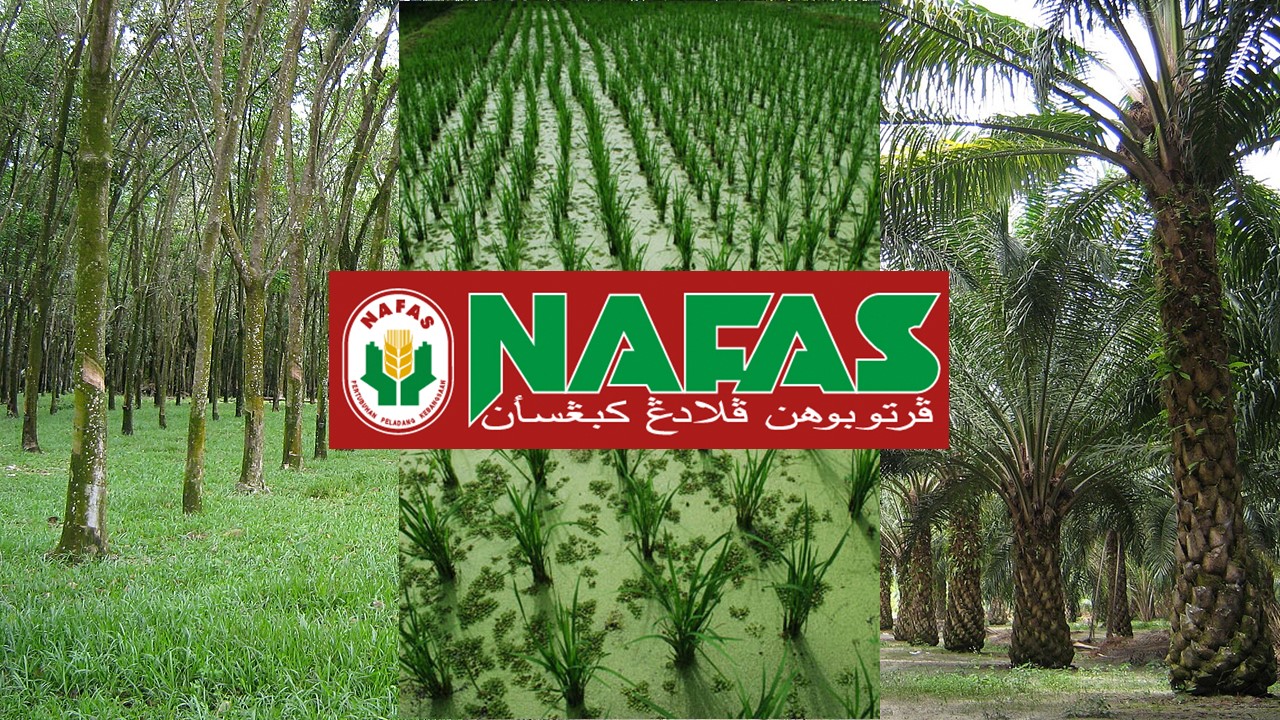
Malaysia faces massive fertiliser shortage
Malaysia’s agricultural sector is facing significant challenges due to a sharp increase in global fertiliser prices, exacerbated by geopolitical tensions, notably the ongoing US-Iran conflict. As fertiliser prices surge, economists and industry experts are concerned about the future impact on food prices in the country. While Malaysia’s food supply chain remains stable for now, the pressure on production costs could soon be felt at supermarket checkouts.
The Impact of Rising Prices
Fertiliser prices, particularly urea, have surged by about 50% due to disruptions in global supply chains caused by geopolitical instability. This sharp price increase is a significant concern for Malaysia, as the country relies heavily on imported fertilisers, particularly nitrogen, phosphate and potash-based products. While Malaysia produces some urea domestically, it still imports a substantial portion of its needs, particularly phosphate and potash, which are crucial for crop production.
For example, Malaysia imports a large quantity of fertilisers from Russia, but recent restrictions on ammonia exports have further tightened global supply. As prices climb, the cost of agricultural production also rises, directly affecting the prices of food products such as rice, vegetables, and poultry.
Malaysia’s Vulnerability to Global Fertiliser Shocks
The primary reason Malaysia is so vulnerable to fertiliser price shocks is its dependence on imports. While countries like Indonesia and Thailand have more robust domestic fertiliser production systems, Malaysia remains reliant on foreign suppliers for a significant portion of its agricultural inputs. This reliance leaves Malaysia more exposed to disruptions in the global supply chain, particularly when geopolitical tensions, like those between the US and Iran, lead to price volatility.
Moreover, Malaysia’s agricultural sector, especially its rice and palm oil industries, depends heavily on fertilisers to maintain high crop yields. Costs account for a significant portion of the overall production expenses. As such, any increase in fertiliser prices can have a cascading effect on food prices, ultimately impacting consumers at the supermarket.
Short-Term Mitigation Measures in Place
Despite the challenges posed by rising fertiliser prices, Malaysia’s agricultural sector has managed to maintain a stable supply for the time being. According to the National Farmers Organisation (Nafas), fertiliser availability in the country remains adequate, particularly for rice farmers benefiting from government subsidies. Nafas has also been proactive in ensuring smooth distribution through its network, which has helped cushion the impact of global price hikes on local farmers.
The government has implemented various short-term measures to protect farmers and consumers. This includes targeted subsidies, buffer stock releases, and reallocation of supplies to ensure that domestic production is not significantly impacted. These interventions have helped prevent critical shortages and kept the agricultural sector running smoothly, despite the challenges posed by global supply chain disruptions.
Longer-Term Solutions for Malaysia’s Agricultural Sector
While the immediate measures have provided some relief, experts warn that Malaysia must adopt long-term strategies to address its vulnerability to external shocks. Dr. Nur Surayya Mohd Saudi, a senior fellow at the Malaysia Institute of Economics Research, stresses the need for Malaysia to build strategic fertiliser reserves and diversify its supply sources. Strengthening domestic fertiliser production and improving logistics efficiency are crucial to reducing reliance on imports and safeguarding food security in the future.
The government should also focus on increasing the adoption of modern agricultural technologies to improve productivity and reduce input costs. This includes using more efficient fertiliser application methods, such as precision farming techniques, which can help mitigate the impact of rising fertiliser prices.
Furthermore, policymakers must focus on strengthening the resilience of farmers, particularly smaller producers, through targeted financial support. Crop insurance, input subsidies, and credit assistance are essential to ensuring that farmers can continue to produce food even during times of uncertainty.
The Role of Regional Cooperation
As Malaysia grapples with the impact of global fertiliser price hikes, regional cooperation will play an essential role in securing food supplies and stabilising prices. Strengthening ASEAN food security mechanisms and coordinating fertiliser procurement efforts across the region can help mitigate the risks posed by global supply disruptions. By sharing resources and coordinating responses, ASEAN countries can reduce their collective vulnerability to geopolitical and economic shocks.
In addition, Malaysia should consider optimising its domestic production capacity to ensure that it can meet the growing demand for agricultural inputs without relying so heavily on foreign suppliers. Greater collaboration with neighbouring countries to enhance regional food security is also key to safeguarding Malaysia’s agricultural future.