






With Big Scandals and Economic Woes in the Horizon, Does Anwar Ibrahim Want An Early Election
As Malaysia faces growing political instability, there are mounting calls for an early general election. The country’s political landscape has been increasingly characterized by discontent, economic challenges, and distrust in the government. Various factors, from the Azam Baki scandal to internal political rifts within Pakatan Harapan (PH) and rising economic pressures, suggest that Malaysia could be heading towards early elections sooner than expected.
Political Turmoil and the Call for Early Elections
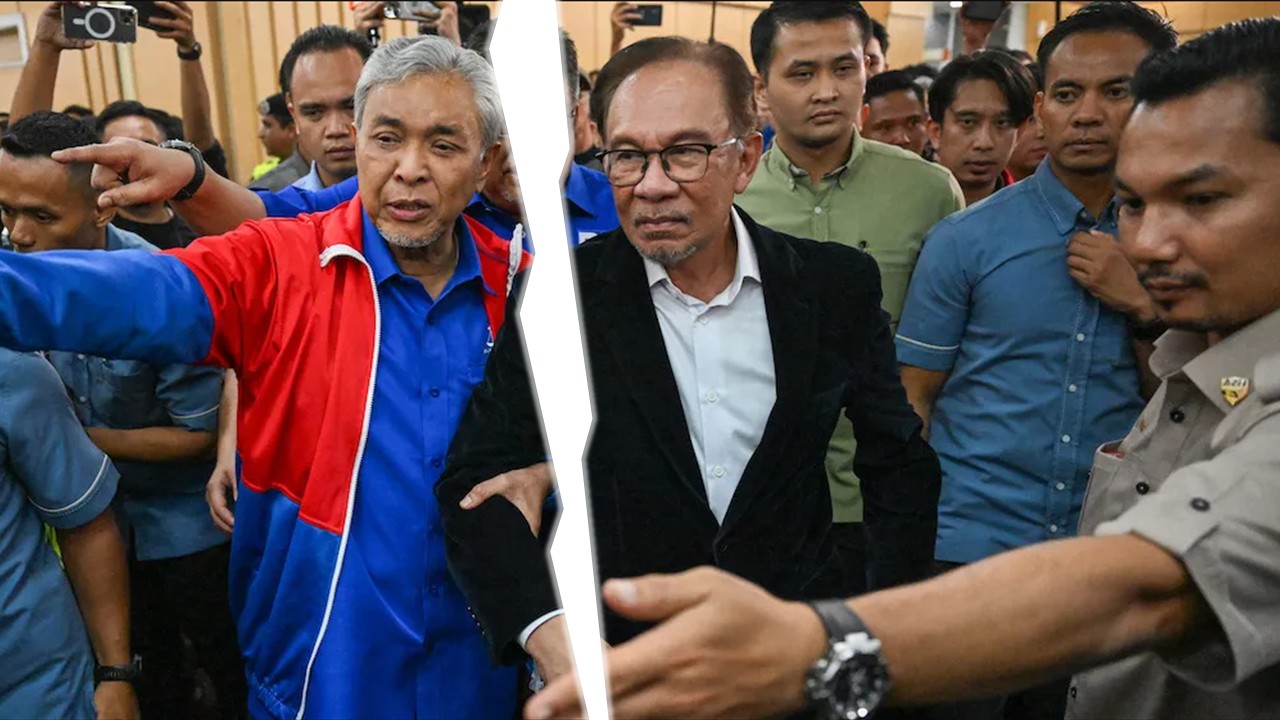
Prime Minister Anwar Ibrahim’s government, under the Pakatan Harapan coalition, has found itself embroiled in political strife. The recent crisis in Negeri Sembilan, where Umno assemblymen withdrew support for the state’s Menteri Besar, is just one example of the growing fractures within the ruling coalition. These developments have fueled speculations that Anwar may be pressured into calling for early general elections to stabilize the government and maintain his political power.
While Pakatan Harapan (PH) has historically presented itself as a reformist party, internal divisions within the coalition are now becoming more apparent. DAP, the largest component of PH, has been critical of Anwar’s leadership, particularly over issues like the lack of reforms, the failure to address corruption, and the slow pace of change. This dissatisfaction is compounded by accusations that the government has failed to tackle institutional issues like corruption, exemplified by the ongoing Azam Baki scandal.
The Azam Baki issue, involving the Malaysian Anti-Corruption Commission (MACC) chief’s alleged stock trading misconduct, has further damaged public trust in the government. Calls for a Royal Commission of Inquiry (RCI) into the matter have gone largely unanswered, leaving the public feeling that no one is being held accountable for their actions. DAP’s internal unrest over this issue, coupled with their failure to force through reforms, has weakened the coalition’s position.
Economic Pressures and Fuel Subsidies
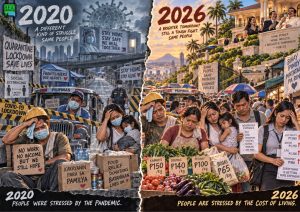
Another major reason for the push towards an early election is the looming economic crisis. Malaysia is facing significant fiscal challenges, particularly due to the rising cost of subsidies, especially for fuel. The government’s inability to maintain fuel subsidies without straining the national budget has prompted fears of an economic backlash from the public. If the government decides to cut subsidies, it will likely face an angry response from the public, especially from lower-income Malaysians who are already struggling with rising living costs.
This situation creates a dilemma for Anwar Ibrahim’s government. If Pakatan Harapan waits until the next scheduled election cycle in 2028, the public anger over subsidy cuts could be overwhelming, and the ruling coalition might lose its credibility. A pre-emptive election could allow PH to address the economic fallout more swiftly while avoiding the backlash from unpopular decisions.
The Azam Baki Scandal and Public Outrage
The Azam Baki scandal continues to plague the government’s reputation. Azam Baki, the head of the Malaysian Anti-Corruption Commission (MACC), has faced allegations of abuse of power and conflict of interest regarding his stock trades. The public’s demand for accountability has grown louder, but the government’s reluctance to act decisively has made it seem as though the political elite is protecting its own.
The protests surrounding the Azam Baki scandal are symptomatic of a broader problem in Malaysia’s political system. Corruption, lack of transparency, and public distrust in the government are the underlying themes fueling public unrest. Calls for an independent investigation into the issue have gone largely unanswered, leading to increasing dissatisfaction with the current leadership. This unrest could push Anwar Ibrahim to call for elections, especially if the coalition’s internal rifts deepen and public anger escalates.
Rising Dissatisfaction with DAP and Pakatan Harapan
The DAP, once a key ally in Anwar Ibrahim’s government, is now facing growing criticism from its own grassroots members. Despite the party’s loud calls for reforms, nothing tangible has been achieved, and many feel that DAP is no longer a true champion of the people. This is particularly true after their failure to push for a Royal Commission of Inquiry into the corporate mafia scandal within the MACC.
There are also whispers that DAP’s leadership could exit the coalition, setting the stage for an early general election. Should DAP choose to leave, it could trigger political realignment and create space for a new coalition to form. This internal conflict could accelerate the need for elections to prevent further instability.
A Nation on the Brink of Early Elections
Malaysia’s political environment is fraught with tension and uncertainty. The combination of internal coalition rifts, the Azam Baki scandal, and economic challenges is creating the perfect storm for early elections. Anwar Ibrahim’s government is under pressure to either deliver on reforms or face public backlash that could prove disastrous at the ballot box.
Whether Pakatan Harapan chooses to address these challenges head-on or calls for early elections remains to be seen. However, with public trust eroding, political factions at odds, and the economy teetering on the edge, it is becoming increasingly likely that Malaysia will head to the polls sooner rather than later.