









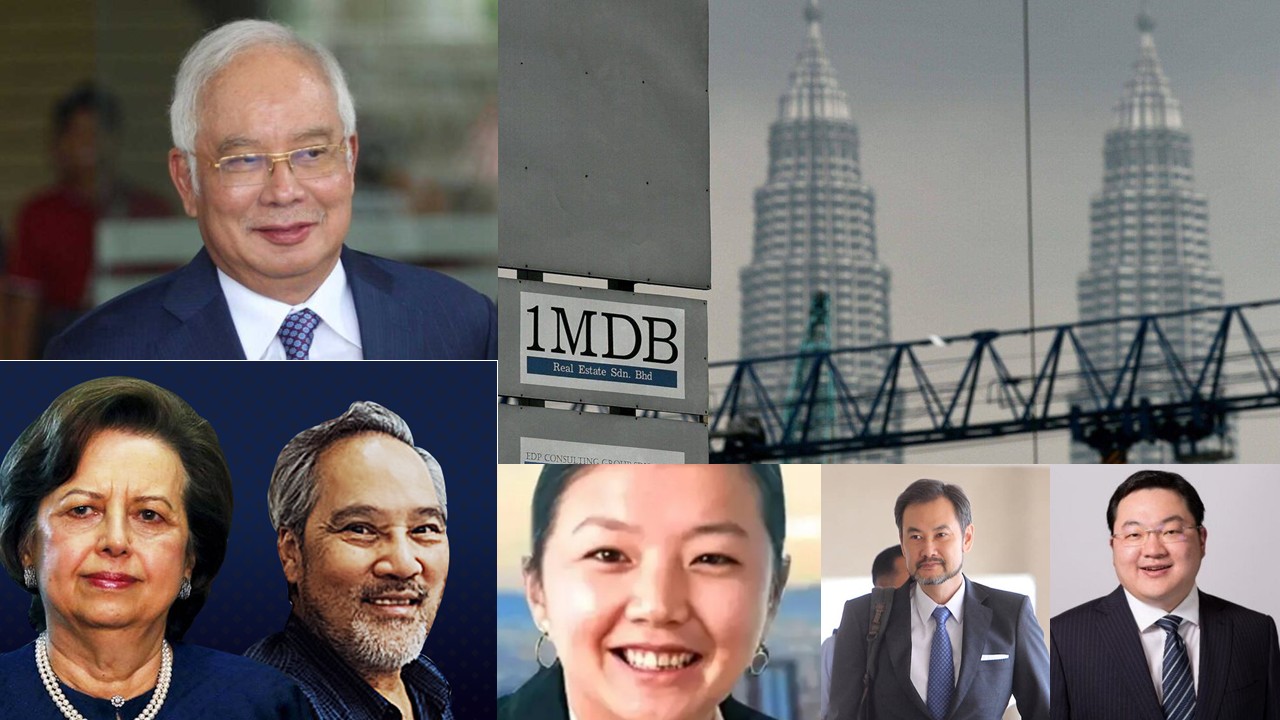
1MDB Verdict No Surprise for Citizens and Najib Razak Camp
The 1MDB verdict and the conviction of Najib Razak was not a surprise to many Malaysians. After years of investigations, prosecutions, and international attention linked to 1Malaysia Development Berhad, the result felt almost expected. What stood out more was the public reaction. Aside from comments by Pakatan Harapan politicians and their supporters online, there were no nationwide celebration and no strong feeling that justice had finally been achieved.
Instead, the general mood was quiet and uneasy. This reaction points to deeper worries about governance, transparency, and how accountability is actually handled in Malaysia.
Transparency that appears only through court action
The recent issue involving the alleged royal addendum clearly shows this problem. For almost two years, the public was told that no such document existed. Only after Najib’s lawyers went to court did information appear suggesting that an additional instruction linked to the former Yang di-Pertuan Agong may have existed, even though its legal status is still unclear.
Whether the addendum has legal effect is for the courts to decide. But from a governance point of view, the bigger concern is this. Without court action, the public would likely never have known about it. When issues affecting freedom and justice come out only because lawyers force disclosure, transparency looks accidental rather than part of the system. This weakens public trust no matter how the case ends.
1MDB and shrinking accountability
The same pattern can be seen in how 1MDB was handled. From the start, the scandal involved many failures. These included the board, senior management, lawyers, banks, auditors, and regulators in several countries. Over time, however, responsibility slowly narrowed until it seemed to fall almost entirely on Najib.
From a legal perspective, this is understandable. Najib held exceptional power as Prime Minister, Finance Minister, and Chairman of the Board of Advisers. The courts found that he abused this power and received illegal funds. But governance is more than criminal guilt. It also involves asking whether responsibility is fairly examined across all those who played a role.
Management mistakes without punishment
The actions of senior 1MDB management show this imbalance clearly. Shahrol Azral Ibrahim Halmi, the fund’s first chief executive officer, approved and carried out large transfers in the early years of 1MDB. Some of these transfers were later found to go against board approvals. In court, he admitted that he misled the board on certain matters. Even so, he was not convicted. Instead, he became a prosecution witness. By cooperating and blaming Najib, he avoided legal punishment.
A similar situation applies to former chief financial officers. Senior finance staff were responsible for checking payment instructions, confirming who the money was sent to, and making sure funds went to the correct entities. In several cases, money was transferred to entities that later turned out to be wrong or unrelated to the stated purpose. These were basic failures of financial checks. Yet no criminal action followed, as long as blame was placed on Najib.
The same approach applied to legal and compliance roles. Jasmine Loo, who was General Counsel and Executive Director of 1MDB, was deeply involved in preparing and approving key documents. She later disappeared and was publicly described by authorities as avoiding law enforcement. When she later returned, she became a prosecution witness. Again, cooperation and testimony against Najib meant no prosecution, despite her important role in 1MDB’s legal structure. According to a media statement by Najib’s lawyer, the judge presiding over the trial was also in the same law firm as her.
To many members of the public, this sent a clear message. Blame Najib and you walk free. Challenge the story and you face charges. Whether this view is legally correct or not, it has strongly shaped public opinion.
Regulators and unanswered responsibility
Questions also remain about regulatory oversight. During the time when very large sums moved through Malaysia’s banking system, Zeti Akhtar Aziz was Governor of Bank Negara Malaysia. In 2013 alone, about US$681 million entered Najib’s personal accounts and about US$620 million left a few months later. These were extremely large amounts that would normally trigger serious concern at any central bank. Checks on Bank Negara Malaysia records only indicate 1MDB being mentioned “negatively” in 2015 after the entire debacle came to light.
Yet no legal action was taken against the central bank leadership for negligence or failure to act. For many Malaysians, this suggests that even very serious warning signs can be ignored without consequence if no personal gain is proven.
The Singapore case and uneven results
Public concern increased when 1MDB-linked funds later appeared in Singapore. A Singapore court convicted and jailed a company director for laundering about US$700 million linked to 1MDB transactions. The similar size of this amount compared with the money that passed through Najib’s accounts did not go unnoticed.
At the same time, investigations pointed to companies and accounts linked to Datuk Tawfiq Ayman, the husband of Zeti Aziz, who was publicly identified as a partner in a Singapore entity that received 1MDB-linked funds. While a director in Singapore was convicted, no charges were brought against Tawfiq in Malaysia. Legally, this may be explained by evidence and jurisdiction. From a governance point of view, however, the contrast strengthens the feeling that accountability is uneven.
Political statements and loss of trust
Public doubt is also strengthened by political inconsistencies. Ahmad Zahid Hamidi and Azalina Othman Said both previously said that the money received by Najib was a legitimate donation from Saudi Arabia. Courts have since rejected this explanation due to lack of evidence. Yet both remain ministers, with no clear consequences for supporting a claim later found to be untrue. Let’s not forget that Zahid once faced even more charges than Najib Razak prior to the last general elections in Malaysia. These charges were conveniently dropped once he was made deputy prime minister.
To many Malaysians, this suggests that political importance can protect people from accountability.
Why many citizens still feel uneasy
This is why the public response remains quiet. One major conviction has not led to stronger trust or better governance. Living costs remain high, institutions feel weak, and accountability still looks selective.
Because of this, some citizens now see Najib’s prosecution not only as justice, but also as political action within a system that punishes some while protecting others. Whether this view is fully fair matters less than the fact that many people believe it.
That belief is strengthened by unresolved questions around 1MDB. The Saudi Foreign Minister at the time, Adel al-Jubeir, publicly said the money was a donation. Court evidence also showed SWIFT documents listing the Saudi Ministry of Finance as the source. If the donation was not real, why were such official statements and banking records never fully tested in court.
These questions do not cancel the conviction, but they do weaken public trust. When justice feels incomplete, doubt remains.