









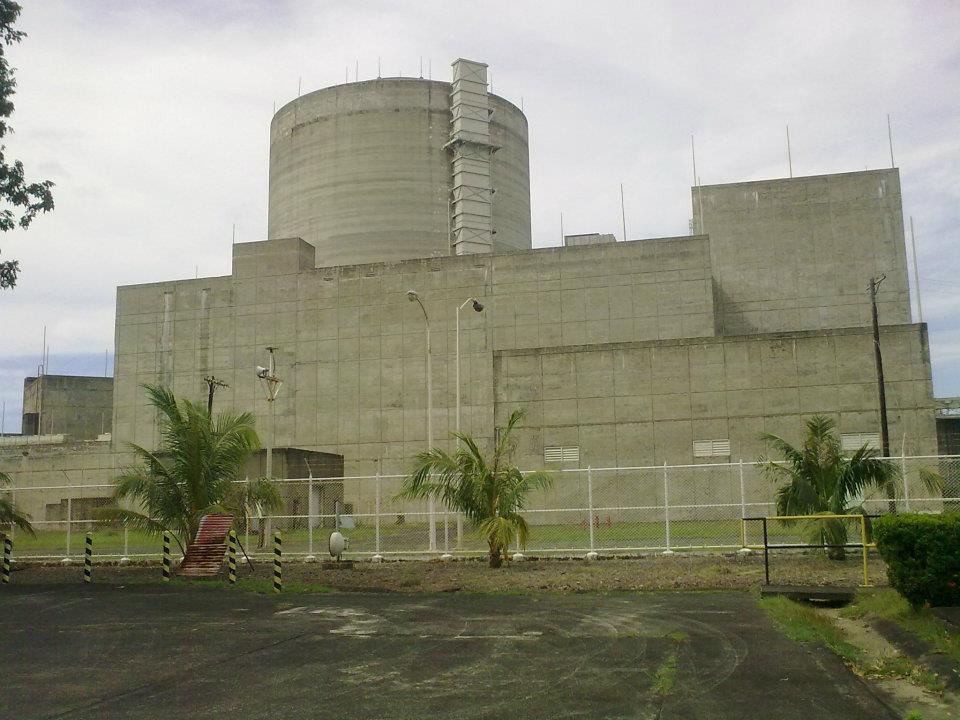
Bataan Nuclear Power Plant 40 Years Later: Massive Failure Then and Now
Nuclear power was once presented as the Philippines’ gateway to energy security and industrial modernity. Forty years after the completion of the Bataan Nuclear Power Plant, the project stands as enduring evidence that ambition alone does not guarantee progress. It would have been the first nuclear power plant in Southeast Asia. Built but never operated, the facility remains one of the most consequential development failures of the Marcos Sr. era, with economic and institutional costs that continue to shape policy debates today.
The Strategic Appeal of Nuclear Power in the 1970s
The decision to pursue nuclear power in the mid-1970s was driven by genuine strategic concerns. Global oil price shocks exposed the Philippines’ vulnerability to imported fuel, while persistent electricity shortages constrained industrial growth. Nuclear energy, widely adopted in advanced economies at the time, appeared to offer reliable baseload supply and long-term energy security. In principle, the logic was defensible. The failure lay in how the project was planned, governed, and executed under President Ferdinand Marcos Sr.
Cost Escalation and Long-Term Debt
Financial mismanagement became the defining feature of the Bataan Nuclear Power Plant. Originally estimated at around $500 million, the project’s final cost rose to approximately $2.3 billion. These overruns were financed almost entirely through foreign borrowing, significantly expanding the country’s external debt burden. Allegations of overpricing, corruption, and crony involvement surrounded the contract with Westinghouse, though legal accountability proved limited. What was beyond dispute was that Filipinos continued servicing the plant’s debt until 2007, despite it never producing electricity.
Safety Concerns and Institutional Weakness
Safety concerns further undermined the project’s credibility. The plant was constructed near Mount Natib, a potentially active volcano, and close to known seismic fault lines. After the 1979 Three Mile Island accident in the United States, global scrutiny of nuclear power intensified. By the mid-1980s, experts identified design weaknesses that would have required costly retrofitting to meet evolving international safety standards. These shortcomings reflected deeper institutional weaknesses, including the absence of rigorous independent oversight during the Marcos Sr. administration.
Political Collapse and the End of the Project
By 1985, the plant was largely complete and undergoing pre-operational testing. Its fate shifted decisively following the 1986 People Power Revolution, which removed Marcos Sr. from office. President Corazon Aquino ordered the facility mothballed, citing safety risks, corruption allegations, and growing public opposition. The Chernobyl disaster later that year reinforced resistance to nuclear power and eliminated any remaining political momentum to revive the project.
Regional Contrasts: Singapore and Vietnam’s Nuclear Calculus
The Bataan experience remains relevant as Southeast Asia reassesses nuclear power amid rising energy demand and climate pressures. Singapore and Vietnam offer a revealing contrast in approach. Singapore is proceeding cautiously, prioritising regulatory capacity, safety expertise, and feasibility studies, particularly for small modular reactors suited to its land constraints. Vietnam, by contrast, has signalled a more decisive return to nuclear power as part of its long-term energy security and industrial strategy. The divergence underscores a central lesson from Bataan. Nuclear power outcomes depend less on technology than on governance, institutions, and public trust.
Governance Failure, Not Technological Failure
Forty years on, the Bataan Nuclear Power Plant stands as an indictment of governance under Marcos Sr., rather than of nuclear power itself. Decision-making was highly centralised, transparency was limited, and risk assessment was subordinated to political prestige. The belief that large-scale borrowing and grand infrastructure could substitute for institutional strength proved deeply flawed.
A Lesson That Still Shapes Policy
The legacy of the Bataan Nuclear Power Plant continues to influence contemporary debates in the Philippines, particularly around large, debt-financed infrastructure projects and renewed discussions of nuclear power. It has become a reference point for public scepticism, serving as a reminder that without strong institutions, independent regulation, and accountability, ambitious development projects can become enduring liabilities. As of now, there’s talk of turning the existing plant into a hyperscale data center. This could mean new life for the plant 40 years late.