







Thai PM Anutin Faces Brutal Politics and Economy
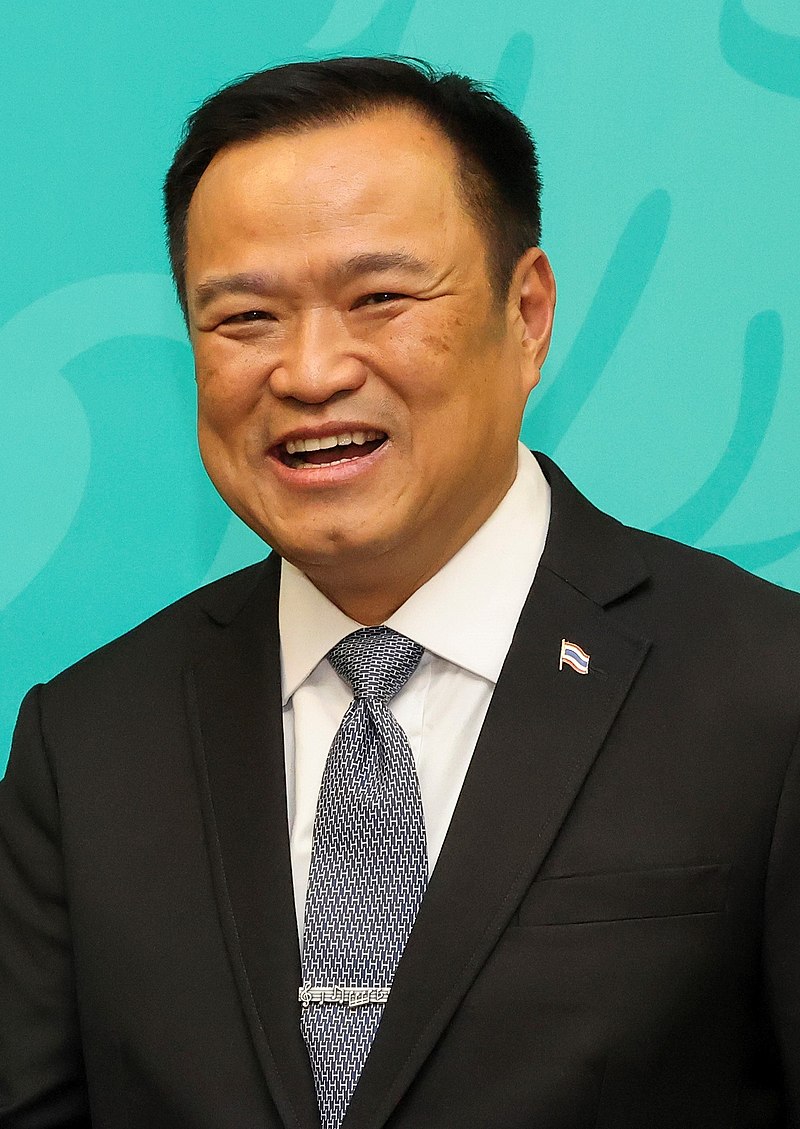
Anutin Charnvirakul has been sworn in as the country’s third prime minister in just over two years, taking office in September 2025. His rise followed the Constitutional Court’s removal of Paetongtarn Shinawatra over an ethics violation, which collapsed the previous coalition and underscored the fragility of the political system. The frequent change of leadership highlights how unstable governance has become, but the bigger challenge for Anutin will be the economy.
Anutin urgent problems
The most urgent problem he faces is the sharp rise of the baht. The currency has appreciated by more than 17 per cent this year, making it the strongest in Asia. While this benefits Thai consumers who import goods, it creates pain for exporters and the tourism industry. A stronger currency makes the country more expensive for visitors, and there are already signs of fewer tourists arriving compared with last year. Tourism is one of the few reliable engines of growth, so any slowdown directly threatens GDP and employment. Exporters are also struggling to remain competitive as contracts become harder to secure.
Anutin has responded by directing banks to inject more liquidity into the market and forming a task force to manage the currency. He has emphasised repeatedly that stabilising the baht is a priority. Whether these steps are enough remains uncertain, since currency strength is tied to global capital flows as much as domestic policy. Anutin has said his government will consider additional measures to prevent the appreciation from undermining competitiveness.
The scrapping of the Entertainment Complex Bill adds another layer to the challenge. Legalised casinos were pitched as a way to attract high-spending foreign tourists and generate tax revenue. Paetongtarn supported the measure, but it faced opposition and was killed in the Senate. Anutin confirmed he would not support casino legalisation, which removes a potential source of new income. While the decision aligns with public sentiment, it forces his government to find alternative ways to boost tourism receipts at a time when currency strength is already discouraging visitors.
Anutin has promised to dissolve parliament by the end of January 2025 and call new elections by March or April. This pledge was part of a deal with the People’s Party to secure their backing. The political calculation is clear. By setting an election date, Anutin buys time to roll out short-term economic policies designed to win voter confidence. He has already spoken about support for farmers, subsidies to ease the cost of living, and targeted cash hand-outs. The government is expected to announce more stimulus before the election window opens.
However, these populist moves carry risks. Fiscal space is limited, and increased spending could strain public finances if revenue weakens. With tourism soft and exports pressured, tax collections may not meet expectations. Anutin will need to balance voter-friendly measures with discipline to avoid worsening the fiscal outlook. Investors are watching closely, and any sign of overspending could undermine market confidence at a time when stability is most needed.
The Shadow of Paetongtarn and Pita
It is worth remembering that the strongest mandate in the 2023 election went to Pita Limjaroenrat and the Move Forward Party. His reformist platform drew mass support, but the system, dominated by conservative networks and appointed senators, blocked him from the premiership. Instead, Paetongtarn Shinawatra and Pheu Thai struck deals with establishment parties. That arrangement collapsed, creating the vacuum that allowed Anutin to step in. His elevation is the product of political compromise rather than popular victory, which is why he is under pressure to prove himself through economic performance.
What to Expect
The months ahead will be dominated by economic management. Anutin must prevent the baht from rising further, reassure exporters, and stabilise tourism flows. Airlines, hotels, and small businesses are already lobbying for government relief. If the trend continues, arrivals could decline enough to cut GDP growth forecasts.
At the same time, exporters want targeted support such as tax breaks or subsidies to offset currency effects. Anutin has hinted at reviewing these proposals but has not made firm commitments. Investors also expect clarity on how his government will fund promised stimulus without blowing out the budget. His credibility will depend on delivering both growth and discipline.
Institutional reform and constitutional debate remain in the background, but for voters, pocketbook issues come first. Anutin’s survival depends on his ability to show that he can keep the economy stable and shield households from rising costs. If he fails, the election due early next year could end his tenure quickly. If he succeeds, he might finally bring some stability after years of turbulence.
Anutin’s premiership begins at a moment when global uncertainty, a strong currency, and domestic fatigue intersect. His challenge is less about politics alone and more about proving he can protect jobs, sustain tourism, and support exporters. Whether he can balance these demands will determine not just his own future, but the direction of the economy in 2025.